
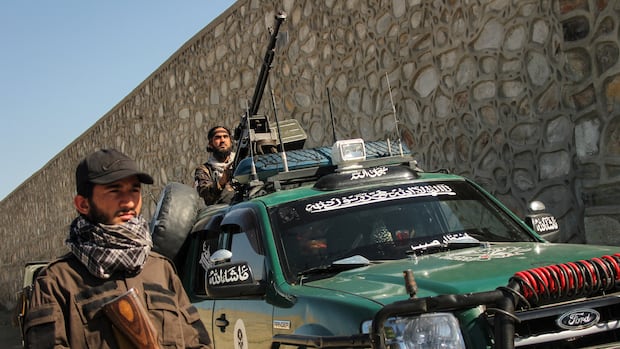
Afghanistan has accused Pakistan of striking a hospital for drug users in the Afghan capital late Monday, resulting in the deaths of at least 400 individuals. The incident represents a significant escalation in a conflict that began at the end of last month and has involved multiple cross-border clashes and airstrikes within Afghanistan. Despite international calls for a ceasefire, the situation remains unresolved.
Pakistan has refuted the allegations of targeting a hospital, stating that its airstrikes, also carried out in eastern Afghanistan, did not hit any civilian areas. Afghanistan’s deputy government spokesman, Hamdullah Fitrat, revealed in a social media post that the airstrike on the hospital occurred around 9 p.m. local time, causing extensive damage to the 2,000-bed facility. Fitrat reported a death toll of 400 people so far, with around 250 individuals sustaining injuries.
Local TV stations shared footage showing security forces using flashlights to attend to casualties, while firefighters battled flames amidst the building’s wreckage. Fitrat mentioned ongoing efforts by rescue teams to manage the fire and retrieve bodies.
The alleged hospital attack followed an exchange of fire along the common border, resulting in four fatalities on the Afghan side. This latest violence marks the deadliest confrontation between the two nations in years.
In response to the incident, Afghanistan’s government spokesperson, Zabiullah Mujahid, condemned Pakistan for purportedly targeting hospitals and civilian sites. Meanwhile, Pakistan’s Information Minister Attaullah Tarar claimed that precision airstrikes were conducted on military installations in Kabul and Nangarhar province to neutralize support for extremist groups.
The UN Security Council has urged the Taliban in Afghanistan to intensify efforts against terrorism following the recent hostilities. The resolution, which did not directly name Pakistan, strongly denounced all forms of terrorist activity and extended the UN’s political mission in Afghanistan.
The ongoing conflict between Pakistan and Afghanistan, characterized as an “open war,” has sparked concerns globally, especially due to the area’s history of harboring militant organizations like al-Qaeda and the Islamic State. The two countries have exchanged accusations of casualties, with each side claiming to have inflicted significant losses on the other.
The recent escalation underscores the fragile state of affairs in the region, with both sides asserting their commitment to defending sovereignty while grappling with the devastating consequences of prolonged hostilities.