
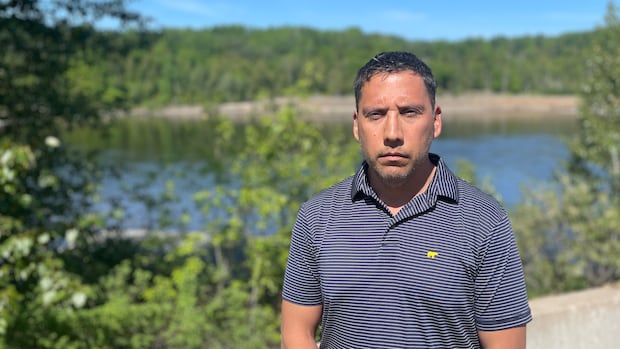
Leonard Nicholas, the fishery strategy director of Tobique First Nation, views Atlantic salmon through a unique lens, seeing them as relatives or ancestors rather than just fish. He emphasizes the importance of preserving them, noting their historical presence alongside humans. The Tobique River, part of the Wolastoq (St. John River) system, used to host tens of thousands of salmon in the 1980s. However, today, only a few hundred salmon return to the river due to declining populations.
Despite the challenges, the Mactaquac Biodiversity Facility by the Department of Fisheries and Oceans (DFO) has played a crucial role in sustaining the salmon population. UNB biologist Tommi Linnansaari describes the situation as keeping a patient alive but not healthy, likening the facility’s support to life support for the salmon.
The facility’s impending closure in the fall has raised concerns among First Nations communities and biologists. The closure means the end of salmon conservation efforts in the Wolastoq, also known as outer Bay of Fundy salmon. Nicholas and his team, who have been actively involved in salmon conservation, were caught off guard by the sudden closure announcement and lack of support for transporting and raising juvenile salmon.
To address the challenge, Nicholas and the Canadian Rivers Institute at UNB are collaborating to relocate and care for the juvenile salmon previously assisted by the DFO facility. This transition comes as a rescue effort to ensure the survival of these young salmon as they face uncertain prospects in their journey to maturity.
The declining salmon population in the Wolastoq region has sparked debates on endangered species recognition. Former Tobique First Nation fisheries director John Perley questions why the government has not classified Wolastoq salmon as endangered despite scientific assessments highlighting the threats posed by dams, invasive species, pollution, and climate change.
Efforts to advocate for the endangered status of Wolastoq salmon have also extended to Ottawa, with representatives from First Nations communities presenting their concerns to the House of Commons fisheries and oceans committee. The communities emphasize the need for continued support from DFO to protect and conserve the outer Bay of Fundy salmon.
The process of determining the endangered status of the salmon species involves intricate evaluations by scientific committees and government decision-makers. The complex interplay of scientific evidence, socio-economic factors, and public input influences the final listing decisions. Despite the challenges and delays in recognizing the endangered status of Wolastoq salmon, conservation efforts continue to be a top priority for DFO in collaboration with Indigenous communities.