
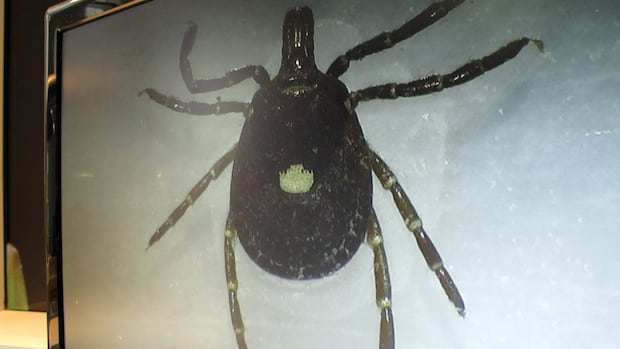
Canadians are advised to prepare for a gradual incursion from the southern border as various tick species carrying harmful pathogens attempt to establish themselves in Canada. The Government of Canada reports over 40 tick species present in the country, with the blacklegged tick being the most notorious for transmitting the bacteria causing Lyme disease, characterized by symptoms such as fever, fatigue, and a distinctive “bull’s-eye” rash.
Nicoletta Faraone, overseeing the newly inaugurated Canadian Tick Research and Innovation Centre at Acadia University in Wolfville, N.S., emphasizes the urgency of understanding and managing tick-borne diseases. With concerns about ticks migrating from the northern U.S., especially the lone star tick capable of inducing severe meat allergies, vigilance is crucial.
Patty O’Brien-Carrier’s experience in Harpswell, Maine, highlights the dangers posed by the lone star tick, which can trigger life-threatening allergic reactions to meat. The research facility at Acadia is actively investigating ticks’ behaviors and pathogens to develop preventive measures.
Farmers like Tim Marsh in Poplar Grove, N.S., are on high alert for ticks like the Asian long-horned tick, which can cause fatal anemia in cattle. Marsh underscores the financial risks associated with tick infestations and the need for proactive measures to protect livestock.
Research efforts at the Acadia facility aim to enhance tick control methods and product development to combat diseases like Powassan virus, carried by the blacklegged tick. Simple precautions such as proper clothing and regular tick checks are recommended to minimize exposure risks.
As the threat of tick-borne diseases escalates, continuous monitoring and research are essential to mitigate potential health and economic impacts.