
A First Nation community in Saskatchewan, known as Clearwater River Dene Nation, has adopted a unique approach to educating its students about the environment. Located approximately 520 kilometers north of Saskatoon, the community utilizes a seasonal land-based learning method to enhance student engagement in the educational process.
Grade 11 student Landon Moise expressed the benefits of this approach, highlighting the opportunities it provides, such as engaging with scientists, participating in sampling activities, collaborating with NexGen at their future mine site, and working alongside individuals they wouldn’t have encountered otherwise.
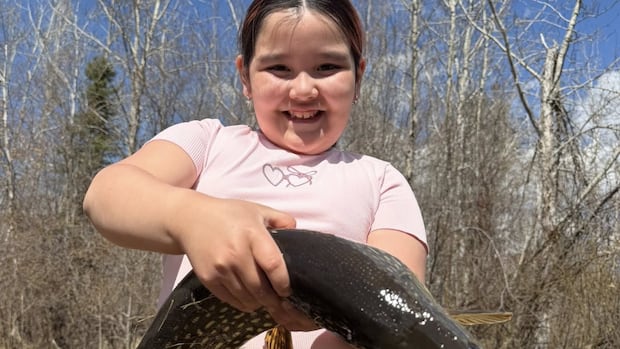
One of the focal points of the students’ learning experience has been the traditional practice of snare fishing. This method involves crafting a snare at the end of a long branch, typically sourced from poplar or birch trees for flexibility. The students are taught to locate the fish in the water, a skill that requires precision and observation.
Following the challenges posed by the COVID-19 pandemic, which led to low attendance rates and a need to reevaluate teaching strategies, the school shifted its focus to re-engage students effectively. By leveraging the land-based learning model, students like Landon have found renewed interest in their education and recognize the practical value of the knowledge they are acquiring.
To ensure a comprehensive learning experience, the school pairs older students with younger ones to mentor and safeguard them during outdoor activities. This collaborative approach allows for the transfer of skills and knowledge within the community, fostering a sense of accomplishment and creating a holistic learning environment that spans across different age groups.
In addition to teaching traditional fishing techniques, the program also imparts lessons on responsible hunting and fishing practices, emphasizing ethical and conservation-minded approaches. Students are instructed on proper fish handling techniques, including sexing the fish and ensuring their safe release back into the water to protect them from potential harm.
Furthermore, the school involves elders, referred to as “hama” or grandmother by the students, who play a vital role in passing down traditional knowledge and practices. These elders teach the children essential skills like cleaning the fish they catch, ensuring that valuable cultural traditions are preserved for future generations.
High school student Carmen Haineault shared her perspective on the significance of teaching these practices, emphasizing the importance of passing down such knowledge to ensure the continuity of traditions and instill respect for nature among the younger generation.