
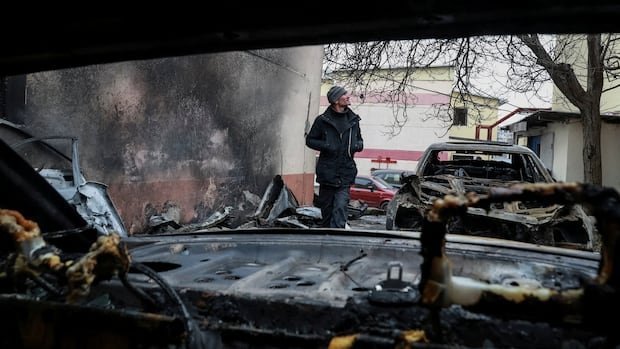
Russian military forces targeted Ukrainian power infrastructure ahead of upcoming peace negotiations, resulting in the deaths of three energy workers and leaving a significant number of residents without electricity and heating, as confirmed by officials on Tuesday. The trilateral talks in Geneva involving Kyiv, Moscow, and U.S. support coincide with the fourth anniversary of Russia’s large-scale invasion of Ukraine on Feb. 24, causing extensive casualties and displacement, and widespread destruction in various Ukrainian areas.
President Volodymyr Zelenskyy denounced the recent strikes on 12 Ukrainian regions just before the commencement of talks, characterizing them as a deliberate assault to inflict maximum damage on the energy sector. Throughout the winter season, Russia has consistently targeted Ukrainian energy facilities, resulting in power outages and heating disruptions.
According to Ukraine’s deputy energy minister, the three energy workers lost their lives in a Russian drone attack on their vehicle near the Sloviansk power plant, situated in a contested region that Moscow seeks to acquire in exchange for peace negotiations. The power infrastructure serving the strategic port city of Odesa sustained severe damage, with repairs expected to take a considerable amount of time to restore functionality, as stated by the private energy company DTEK.
Deputy Energy Minister Artem Nekrasov highlighted power outages affecting homes in five regions due to the attacks, along with disruptions to heating supplies in Odesa and Sumy, a key city near the Russian border. The Ukrainian air force reported that Russia launched nearly 400 drones and 29 missiles, resulting in hits on 13 targets within Ukraine.
Simultaneously, the Ukrainian military confirmed an attack on the Ilsky oil refinery in Russia’s Krasnodar region, describing it as one of the largest oil facilities in southern Russia, which ignited a fire.
Negotiators from Ukraine and Russia convened in Geneva for U.S.-mediated peace discussions primarily focusing on territorial disputes. President Trump emphasized the urgency for both parties to negotiate a resolution to Europe’s significant conflict, although Zelenskyy voiced concerns regarding excessive pressure on Ukraine to make concessions.
Zelenskyy urged allies to intensify pressure on Russia for a fair and genuine peace agreement through stricter sanctions and increased military support for Ukraine. The talks include discussions on a broader range of issues, including territorial disputes, with both sides maintaining differing stances on key matters.
Russia’s demands for Ukraine to relinquish the remaining 20% of the Donetsk region that it has not yet captured have been a major point of contention. The talks feature a delegation led by Vladimir Medinsky from the Russian side, with Ukrainian negotiators expressing skepticism due to past encounters where Medinsky attempted to justify the invasion using historical arguments.
The negotiations also involve discussions on the Zaporizhzhia nuclear power plant, control of territories, and the potential involvement of Western forces in post-war Ukraine. The venue has been shifted to Geneva after previous rounds held in Abu Dhabi earlier in the year, with U.S. representatives, including Steve Witkoff and Jared Kushner, playing pivotal roles in the discussions.