
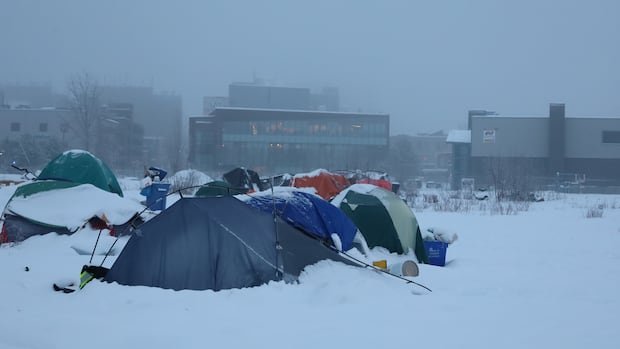
A recent report reveals a rising trend of homelessness in rural areas of Ontario, prompting advocates working with homeless individuals outside urban centers to emphasize the urgent need for increased funding for housing and social services. According to data from the Association of Municipalities of Ontario (AMO) and the Northern Ontario Service Deliverers Association, approximately 85,000 individuals were identified as homeless across Ontario in 2025, marking an eight percent increase from the previous year.
Notably, homelessness in rural Ontario saw a significant surge, with a 31 percent increase reported in the same period. The report highlighted that more than 4,600 people were without homes in predominantly rural areas last year. Erin Schooley, the homelessness program manager for Huron County, expressed concern over the persistent rise in homelessness rates, emphasizing the need for comprehensive government responses to address the issue in both urban and rural settings.
Huron County reported 195 cases of homelessness in December, aligning with the provincial average. Schooley emphasized the challenging pathways individuals face in entering and navigating the homelessness system, particularly noting the grim realities compared to pre-pandemic times. The county has implemented initiatives like “bridge housing” to provide temporary accommodations and support services, alongside constructing new housing units with integrated support mechanisms.
Despite receiving assistance from the province’s homelessness prevention program, Huron County has had to supplement certain programs through property tax levies, straining local taxpayers. The AMO report underscored the limitations faced by rural communities in addressing homelessness solely through property tax revenue due to lower population density and limited tax bases.
One of the significant hurdles in addressing rural homelessness is the difficulty in tracking cases compared to urban areas, as noted by Danielle Neilson, manager of housing stability services in St. Thomas and Elgin County. Neilson highlighted the collaborative efforts of service providers to offer financial assistance for rent, utilities, and essential services to individuals in need, acknowledging the persistent affordability challenges hindering sustainable housing solutions.
Elgin County’s housing waitlist saw a slight decrease, yet Neilson emphasized the ongoing underfunding in homelessness response programs, necessitating additional financial support to meet the escalating demand for services. The province has allocated increased support for rural regions, but rural municipalities still heavily rely on property tax revenues, making sustainable funding crucial for effective homelessness mitigation strategies.
In Bruce County, the waitlist for community housing surged by 17 percent within a year, signaling a growing need for affordable housing solutions. Claire Dodds, commissioner of community development, stressed the urgent requirement for substantial investments in housing to address the rising instability and lack of available housing options in the county. Dodds urged provincial and federal governments to expedite funding allocation to swiftly address the pressing housing needs in communities.