
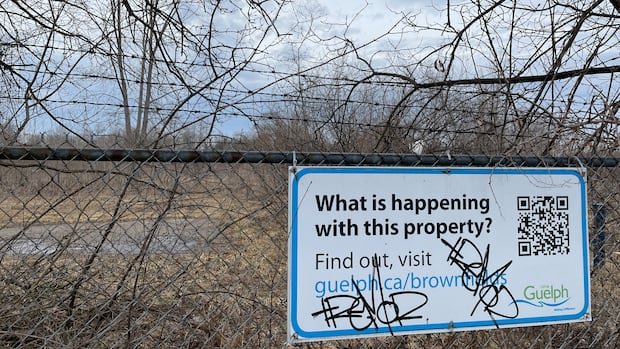
A Guelph non-profit organization is exploring the potential of repurposing brownfield sites for community-owned solar energy initiatives. Emerge Guelph Sustainability, dedicated to promoting sustainable practices in the city, is collaborating with the University of Guelph to assess the feasibility of developing solar projects on two specific locations: the former landfill lands in the east end and the International Malleable Iron Company (IMICO) site in The Ward neighborhood.
Executive director Evan Ferrari of Emerge Guelph emphasized the initiative’s aim to turn challenges, such as land contamination issues, into opportunities for combating climate change. The project envisions community involvement in solar energy generation, allowing individuals who may not have access to solar energy installations on their properties to participate in the endeavor.
Partnering with assistant professor Derya Tarhan from the University of Guelph, Ferrari is spearheading the initial phase of a long-term project. Tarhan, with expertise in community-owned renewable energy ventures, highlighted the economic benefits and localized impact of such initiatives, emphasizing the shift in participants’ attitudes towards energy consumption.
Brownfield sites, defined by the Ontario government as previously industrial or commercial lands potentially contaminated with chemicals, present challenges due to the need for extensive remediation. The IMICO site, a former foundry area, and the former landfill in the east end are being considered for their suitability for solar projects, given their size and proximity to electricity consumers in the city.
While the concept has been presented to the city council, formal approval is pending. The project proponents remain optimistic about the potential cost reductions in renewable energy technologies, making community investment in the solar project a viable option for residents. The goal is to engage the community in owning parts of the project, fostering a sense of participation in sustainable energy solutions.
As discussions continue, the project leaders anticipate addressing various challenges and seizing opportunities to advance the community-owned solar energy initiative in the coming years.
[End of Rewrite]