
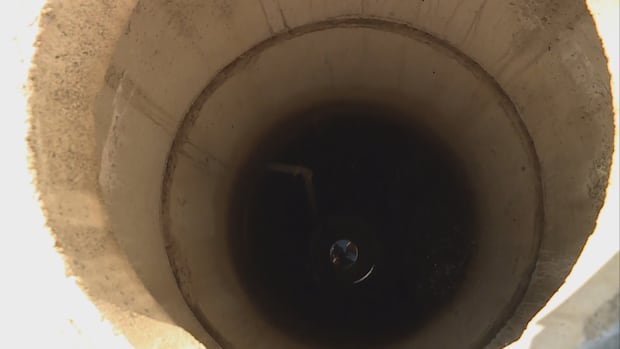
As summer nears, various Nova Scotia towns are gearing up for potential dry wells and drought conditions, which have become recurring occurrences in many regions. However, there is a lack of consistency across the province, with some towns taking proactive measures while others have yet to initiate discussions about long-term strategies.
Warden Paul Long of the Municipality of the District of Guysborough noted that last year’s prolonged drought, considered a rare event for certain parts of the province, served as a wake-up call regarding the impacts of climate change. Long emphasized the need for preparedness, indicating that the municipality received funding from the provincial government to support residents with dry wells, enabling them to implement bottled water programs.
In anticipation of potential challenges this year, Guysborough has allocated funds for bottled water and is exploring sustainable solutions such as public water stations and community wells. On the other hand, Emergency Management Minister Kim Masland stressed the importance of transitioning from emergency responses to long-term planning in addressing recurring drought issues.
Mayor Elspeth McLean-Wile of the Municipality of the District of Lunenburg highlighted the financial constraints faced by many areas still in emergency response mode, advocating for provincial assistance to facilitate long-term initiatives for residents with dry wells. The municipality, along with others like the County of Kings and District of Barrington, is offering financial aid for water system upgrades and establishing new water stations to address water scarcity concerns.
While Nova Scotia experienced favorable precipitation levels over winter, agroclimate specialist Trevor Hadwen warned of warmer temperatures ahead that could lead to dry conditions. Municipal Affairs Minister John MacDonald disclosed ongoing efforts by a provincial drought committee to address the issue, with further details expected in early June.
Warden Allen Webber of the District of Chester emphasized the urgency of proactive measures, citing the municipality’s investments in community wells to mitigate the escalating challenges posed by dry wells. Similarly, Halifax and East Hants municipalities are focusing on developing drought resiliency strategies through collaboration with provincial working groups.
As towns navigate the complexities of water scarcity, collaboration between municipalities and provincial entities remains crucial in fostering sustainable solutions to combat drought and ensure water security for residents in Nova Scotia.