
The United States is preparing to prohibit a specific range of Canadian imports starting on Tuesday, marking a new phase in the ongoing trade dispute that has already resulted in significant tariffs on goods from both countries. The ban, set to take effect at 12:01 a.m. Eastern Time, will impact various products such as certain alcoholic beverages, dairy byproducts, molasses, and motorcycles.
These restrictions will deal another blow to industries that have been grappling with tariffs and uncertainty for months. While the banned items are not extensive enough to severely disrupt the overall national economy like previous tariffs have, a senior official from the White House administration and international trade experts suggest that the primary aim is to dissuade Canada and other nations from further retaliatory actions against the economic policies of the Trump administration.
According to Barry Appleton, the co-director of the Centre for International Law at the New York Law School, the bans serve as a tactic to exert pressure on Canada and indicate a shift in approach by the U.S. government. The difficulty in lifting bans compared to negotiating tariffs implies a more enduring impact, signaling a change in the dynamics of the trade relationship between the two nations.
An analysis by Derek Holt, the vice-president and head of capital markets economics at Scotiabank, indicates that the bans on alcohol, dairy, and motorcycles are expected to have minimal effects, given the relatively low levels of dairy and motorcycle exports to the U.S. Alcohol exports, valued at around $1.2 billion last year, represent a more substantial portion of the affected products.
The ban on alcohol encompasses a wide range of products, including beer, wine, spirits, and various liquors. Spirits account for the majority of alcoholic beverages exported to the United States. While the ban adds to existing concerns for Canadian alcohol producers, the impact may be mitigated by the challenges posed by existing tariffs on their products.
The dairy import ban targets whey products, which are used to enhance the protein content of various goods. The surge in demand for protein-rich products has led to shortages and price increases for whey protein, with nearly half of the whey imported to the U.S. originating from Canada. However, businesses in this sector argue that the ongoing trade disruptions have a more significant negative impact than the impending ban.
The ban on molasses products, including invert and cane molasses, follows lobbying efforts by American sugar producers to impose higher tariffs on foreign sugar imports. Concerns have been raised about Canadian refineries allegedly circumventing tariffs by importing sugar mixes disguised as pure molasses.
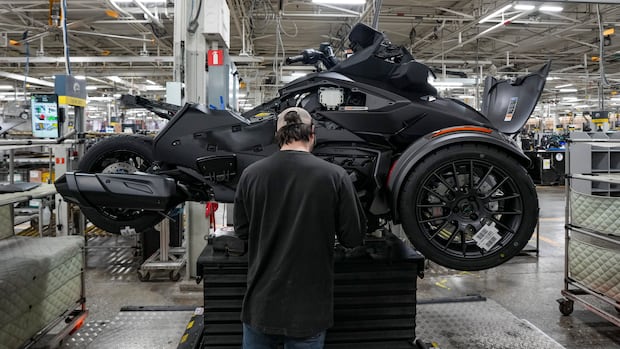
Regarding motorcycles, Canada’s exports of motorcycles in 2025 were minimal, limiting the potential national impact of the ban. However, Quebec, with a significant voter base for Prime Minister Mark Carney’s Liberal government, would be notably affected. The ban includes iconic American motorcycles like Harley-Davidsons, which were subject to Canadian counter-tariffs. BRP, a Quebec-based manufacturer, anticipates limited immediate consequences on its fiscal performance from the ban on its roadster models.