
New Regime in Madagascar Worse than Previous, Says Activist
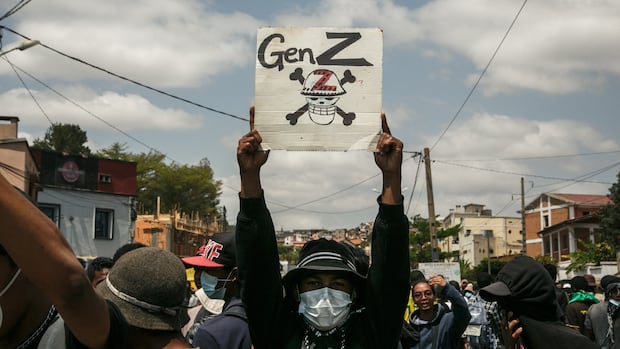
Months after a successful youth-led protest led to the resignation of Madagascar’s president, activists are expressing disappointment in the new regime, labeling it even worse than its predecessor. Colonel Michael Randrianirina, who came to power on March 25 with promises of rebuilding trust and tackling corruption, has faced criticism following the arrest of activists.
Arimamy Todisoa, an activist with Gen Z 261, a youth movement in Madagascar, expressed concern over the crackdown on freedom of speech under the new leadership. According to Todisoa, the recent arrests of six members of the group, accused of undermining state security and criminal conspiracy, contradict the ideals of the October revolution.
The activist emphasized the need for radical and systemic change to move the country forward, calling for the dissolution of key institutions that have perpetuated crises. Todisoa highlighted the growing disparity in wealth distribution, stressing the urgency for reform to benefit the population rather than corrupt politicians.
Younger individuals in Madagascar are increasingly drawn to protests as they reject the notion of leaving the country for a better future. Todisoa underscored the importance of reclaiming their heritage and challenging the corrupt political elite. He criticized the president’s spokesperson for denying the government’s involvement in the arrests, claiming they were orchestrated at the president’s behest.
Despite facing potential arrest himself, Todisoa remains resolute in organizing resistance against the current regime. He outlined plans to expose the corruption within the government and mobilize public awareness. While acknowledging the dampened public response post-October protests, Todisoa hinted at future demonstrations, urging people to stay informed and ready to take action when the time is right.