
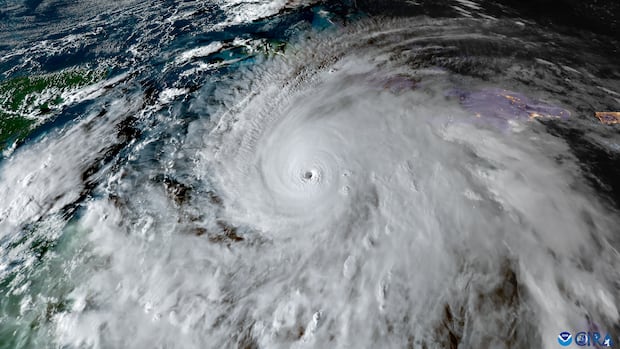
As of now, the current Atlantic hurricane season has seen only six named storms, with most lasting only a short period. The notable decrease in hurricane activity can largely be attributed to the powerful El Niño event this year, as explained by Phil Klotzbach, a senior research scientist at Colorado State University.
El Niño, a significant component of the natural climate cycle known as the El Niño-Southern Oscillation (ENSO), affects both oceanic temperatures in the central Pacific and atmospheric wind patterns. The ongoing “super” El Niño has substantially suppressed Atlantic hurricane formation due to the associated weather patterns.
The current El Niño event is being closely monitored, with meteorologists predicting potentially record-breaking anomalies in sea surface temperatures. Lindsey Long, a meteorologist at NOAA, highlighted the likelihood of historical temperature anomalies surpassing previous records set in the 1980s.
Despite the quiet hurricane season in the Atlantic, experts are cautious about the possibility of any significant late-season developments. The prevailing El Niño conditions have generated unfavorable wind patterns, hindering the typical formation of hurricanes in the region.
In contrast, the Pacific Ocean has experienced heightened hurricane activity, with 16 named storms recorded so far. Although Tropical Storm Fay almost reached hurricane strength in the Atlantic, its formation further north than usual suggests atypical weather patterns this season.
While the impact of the current El Niño on next year’s hurricane season remains uncertain, forecasters are monitoring the situation closely. The persistence of El Niño into 2027 may influence future climate conditions, potentially affecting hurricane activity in the coming years.