
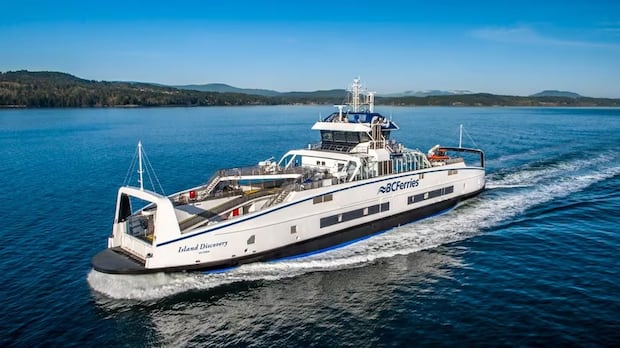
Electric ferries are increasing in size, strength, and capability to cover longer distances worldwide. Canada is actively transitioning its ferry services to electric power, with many routes already electrified or in the process of electrification. Major cities such as Vancouver, Halifax, and Toronto are announcing new electric ferry services to reduce emissions and enhance sustainability.
Despite the availability of Canadian ferries capable of running solely on battery power, some are still using fuel due to the challenges of setting up charging infrastructure. The trend of ferry electrification is gaining momentum in Canada, driven by the need to reduce greenhouse gas emissions and comply with international regulations set by the International Maritime Organization.
One of the key drivers of ferry electrification is the relatively short and predictable routes that make battery electrification feasible and cost-effective. The transition to electric ferries is expected to significantly reduce air pollution in major ports and contribute to a cleaner environment.
In Canada, the journey towards ferry electrification began nearly two decades ago with short cable ferries. The move to electrify larger ferries operating on longer routes presents challenges in terms of cost and infrastructure requirements. Hybrid ferries, capable of running on both diesel and electric power, are being used as an interim solution until full electrification is achieved.
Companies like B.C. Ferries are investing in hybrid-electric and fully electric ferries to reduce emissions and transition to cleaner energy sources. The shift towards electrification is seen as essential for reducing maintenance costs, noise pollution, and overall environmental impact. Despite some delays in infrastructure development, the momentum towards electrifying ferries in Canada is expected to continue to grow in the coming years.