
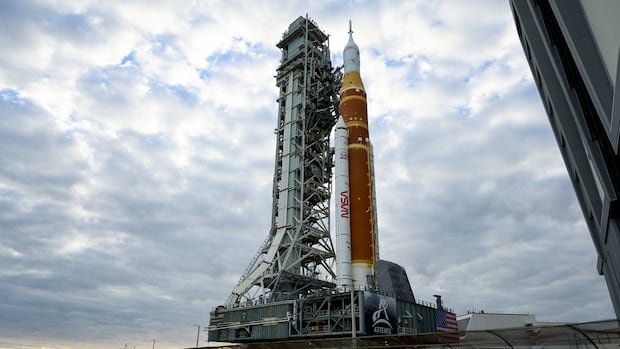
NASA’s latest moon rocket encountered another setback on Saturday, likely delaying astronauts’ upcoming lunar expedition until spring. The space agency reported a helium flow interruption to the rocket’s upper stage, crucial for engine purging and fuel tank pressurization. This issue is separate from the hydrogen fuel leaks that previously affected the rocket.
Jared Isaacman, NASA’s administrator, mentioned a possible faulty filter, valve, or connection plate causing the helium flow problem. To resolve this issue, the rocket needs to be taken to the Vehicle Assembly Building at the Kennedy Space Center in Cape Canaveral, Fla., ruling out a March launch as previously planned.
NASA is now looking at potential launch dates in early or late April. Prior to this setback, the Artemis II mission had already been delayed due to hydrogen fuel leaks. Despite overcoming these leaks in a recent test, the rocket’s return to the hangar for repairs will further postpone the mission.
The Artemis program, aiming to send humans back to the Moon for the first time in over 50 years, has faced challenges since its inception. With only one crewless lunar orbiting mission completed in 2022, the first manned moon landing under Artemis is still several years away, highlighting the complexities of space exploration.