
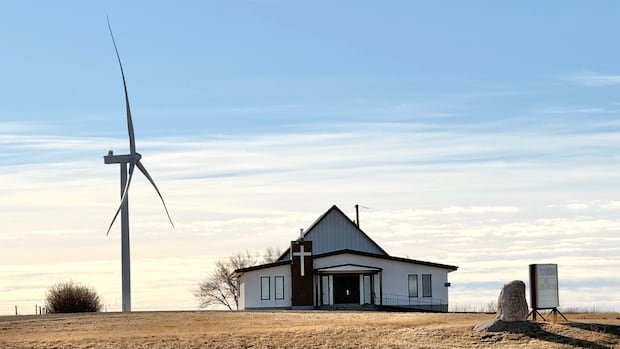
Two years after lifting the halt on new wind and solar farm approvals, southeastern Alberta still awaits the commencement of 14 major renewable energy projects. Analysts attribute the delay to an uncertain industry outlook as Alberta gears up for upcoming changes in cost structures and the energy market.
The prolonged approval process and the status of existing projects have created a sense of uncertainty among counties and rural municipalities. Many officials have expressed concerns about the pace and scale of renewable energy development while also hoping for increased investments to support their tax bases.
Neil Johnson, a Newell County councillor, emphasized the potential of wind and solar projects to enhance the region’s tax revenue, highlighting the significant investments at stake. Despite facing opposition during land-use hearings, some local politicians like Johnson advocate for green energy initiatives.
In Cypress County and Newell County, where numerous projects await final approval, the Alberta Electric System Operator is finalizing new regulations as per the province’s directives. The impending changes, including a redesigned energy market and grid adjustments, have led renewables companies to pause their operations, awaiting further clarity.
Alberta Utilities Minister Nathan Neudorf has emphasized the importance of a market redesign to ensure competition, grid reliability, and consumer protection. However, differing opinions exist, with some advocating for more gas-fired plants to prevent energy shortages, while others argue that such moves could deter investment in green energy.
Local leaders, like Vulcan County Reeve Jason Schneider, are hopeful that the ongoing regulatory changes will facilitate the progress of sustainable projects. Schneider emphasized the need for responsible development practices, citing successful examples in their area where renewable facilities contribute significantly to the local tax base.
Utility firms in southeastern Alberta have requested extensions for construction deadlines, citing the need for regulatory certainty. Projects by companies like EDF, Engie, and Northland Power have been delayed or modified to align with the evolving energy landscape and regulatory requirements.
Rural municipalities, home to numerous oil and gas wells, are concerned about the potential loss of tax revenue if these assets are decommissioned. The shift towards renewable energy projects has provided a substantial boost to tax bases in areas like Cypress County, highlighting the importance of economic diversification in sustaining local communities.