
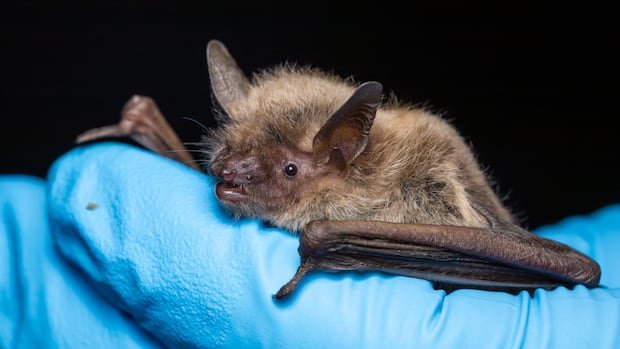
A surprising incident occurred during a school bus ride in Drumheller when a bat was found on board. Following this encounter, three students are undergoing rabies exposure treatment as they had contact with the bat last week, as per information provided by two parents to CBC News. The transportation department of Golden Hills School Division disclosed that a bat emerged from a hiding spot on the moving bus and flew around. An email from the transportation department to parents mentioned that Alberta Health Services would get in touch with families of students present on the bus during the bat incident as a precautionary measure. The email also indicated that students not on the bus during that time would not be contacted.
Upon notification of the situation on May 13, Alberta Primary and Preventative Health Services promptly responded by assessing the bus driver and exposed students, with a few receiving treatment for exposure. As of now, there are no reports of severe illness or adverse reactions among the affected students, according to spokesperson Tom McMillan. While the exact number of students receiving rabies exposure treatment and details regarding direct bat contact or rabies testing remain unconfirmed by Alberta Health Services, the transportation department informed parents that the bat flew out of an open window shortly after the incident.
Although rabies has not been detected yet, ongoing treatment is necessary following contact with a bat to ensure immediate medical attention. Noted rabies researcher Alan Jackson emphasized the significance of taking bat exposure seriously, recommending rabies post-exposure prophylaxis involving multiple vaccine doses over two weeks. Between 2016 and 2025, over 4,000 individuals in Alberta received this treatment, as reported by the Alberta government. Since 1924, Alberta has witnessed two fatal human rabies cases, occurring in 1985 and 2007, out of a total of 28 cases across Canada caused by bat or non-Canadian exposure, all of which were fatal.
Jackson highlighted the fatality of rabies symptoms in humans, underscoring the importance of seeking medical assistance for potential rabies exposures. Data from the Alberta government revealed 1,019 animal rabies cases in the province from 1927 to 2025, with bats and skunks comprising the majority of these cases.