
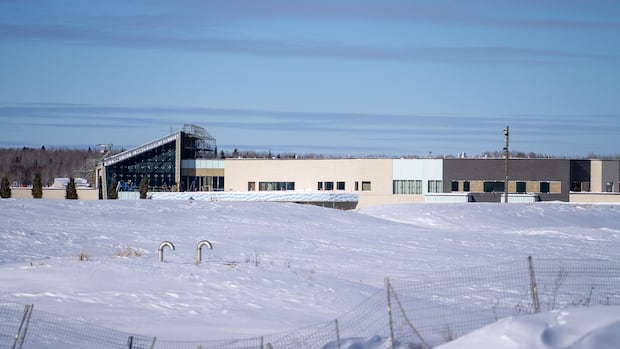
Sol Mamakwa recently visited the Thunder Bay District Jail and expressed shock at the cramped conditions, with beds placed next to toilets in overcrowded cells. The facility, which is celebrating its centenary this year, was initially expected to close once the new Thunder Bay Correctional Complex opened in November. However, a recent decision revealed that the existing jail and correctional center will remain operational to address overcrowding issues in the city.
The new $1.2-billion Correctional Complex on Highway 61 will offer 345 beds, while the district jail and correctional center currently have 149 and 203 beds, respectively. Anthony Rojik, president of the Ontario Public Service Employees Union (OPSEU) Local 737, viewed the decision to keep the old facilities open as a positive step in resolving capacity challenges. On the other hand, Shawn Bradshaw, president of OPSEU Local 708 representing the correctional center, emphasized the importance of ensuring adequate staffing across all three facilities.
Statistics show that Northern Ontario’s jails, including the Thunder Bay District Jail and Correctional Centre, have been plagued with overcrowding issues, with occupancy rates exceeding capacity. Sol Mamakwa, acknowledging the strains caused by overcrowding, emphasized the need for a more holistic approach beyond simply adding more jail cells to address the underlying issues faced by inmates and staff.
The death of Sol Mamakwa’s nephew, Kevin Mamakwa, in custody at the Thunder Bay District Jail in 2020 underscored the urgent need for improved conditions. An inquest into Kevin’s death was recently postponed due to unforeseen circumstances, delaying the process of seeking justice and accountability.
Critics have long condemned the substandard conditions in Thunder Bay’s correctional facilities, citing ventilation risks, inadequate living conditions, and insufficient access to natural light. Lindsay Martin, executive director of the Elizabeth Fry Society of Northwestern Ontario, highlighted the need for significant upgrades and questioned the financial rationale behind maintaining the aging facilities.
Sol Mamakwa also emphasized the disproportionate representation of Indigenous individuals in the justice system, particularly in Thunder Bay. He called for increased cultural support services and highlighted the importance of addressing mental health and addiction issues among inmates. Grand Chief Alvin Fiddler echoed these sentiments, advocating for a transformative approach to the justice system and emphasizing the need for increased treatment resources over jail infrastructure.
The challenges faced by Indigenous communities, including limited access to justice and cultural support, further contribute to the overrepresentation of Indigenous individuals in correctional facilities. Both Sol Mamakwa and Alvin Fiddler stressed the importance of treating inmates with dignity and humanity, emphasizing the need for a more inclusive and supportive justice system.