
A recent study suggests that northeastern B.C. can expect a future characterized by higher temperatures and increased precipitation, along with more frequent extreme weather events. By the 2050s, average temperatures in the region could climb by up to three degrees, reaching a five-degree increase by the 2080s. These changes may make summers resemble those experienced in the Okanagan and shift January temperatures to feel more like what was previously observed in March.
According to the Fraser Basin Council researchers, these shifts will have profound effects on various aspects of life, including infrastructure like roads and water systems, as well as emergency preparedness for events such as floods, wildfires, and evacuations. The study, funded by the federal government, was conducted in collaboration with local governments and Indigenous communities in the region, which have faced significant natural disasters in recent years.
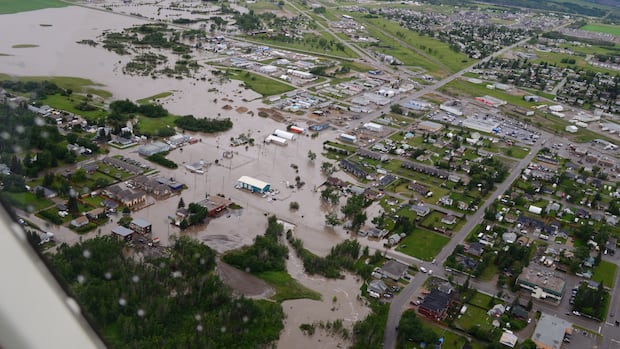
Instances like the severe floods in 2016 that severed the region’s connection to the Lower Mainland due to heavy rains, and the escalation of wildfires since 2022, notably the Donnie Creek fire, the largest on record in B.C., have led to mass evacuations in multiple communities. Jim Vanderwal, one of the researchers, stressed the long-lasting impact such disruptions can have on communities, emphasizing the need for proactive planning to address the changing climate conditions.
In response to the increasing wildfire threats, the City of Fort St. John has emerged as a sanctuary for those fleeing such disasters, prompting dedicated efforts from city staff and volunteers. The city’s Chief Administrative Officer, Milo MacDonald, highlighted the operational challenges posed by warmer weather, noting the strain on infrastructure from more frequent freeze-thaw cycles. The report projects a doubling of freeze-thaw days in the winter by 2080, indicating the urgency of addressing these challenges.
Moreover, the study forecasts an extended growing season in summers in northeastern B.C., accompanied by more intense heatwaves and reduced snowfall in the spring and fall. These changes are expected to result in lower streamflows and heightened drought risks, as exemplified by the recent water scarcity crisis in Dawson Creek. The city had to grapple with water shortages, necessitating plans for a new water supply and infrastructure upgrades following destructive floods in the past decade.
As climate patterns continue to shift, communities in northeastern B.C. are urged to anticipate and adapt to these changes to safeguard their way of life and essential services. Planning for resilient infrastructure and sustainable resource management is vital to mitigate the impacts of the evolving climate conditions on the region.
Subscribe to CBC’s Fort St. John Weekly for comprehensive coverage of news and stories from B.C.’s Peace and Northern Rockies regions.