
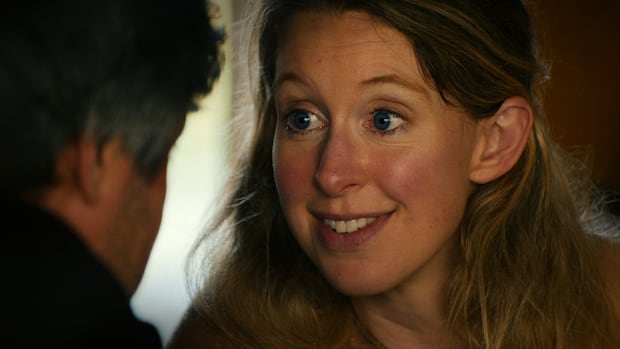
Fans of comedian and performance artist Nathan Fielder may find themselves more prepared for his documentary about Elizabeth Holmes, titled “You Can See Everything.” Fielder, known for his unconventional humor on the show “Nathan for You,” has a knack for turning mundane situations into absurd and uncomfortable experiences.
In this documentary, Fielder delves into the life of Holmes in the period leading up to her imprisonment for defrauding investors with her faulty blood testing device. The film captures the unusual dynamic between Fielder and Holmes as he attempts to unravel the motivations behind her actions.
“You Can See Everything” aims to provide a comprehensive insight into Holmes as a person while highlighting the complexity of human nature. The documentary’s captivating visuals and bizarre scenarios challenge traditional storytelling norms, creating a unique viewing experience.
Fielder’s unconventional approach to documentary filmmaking blurs the lines between reality and fiction, leaving viewers questioning the nature of truth and storytelling. As the narrative unfolds, unexpected twists and revelations keep the audience on edge, challenging their preconceived notions about Holmes and the documentary genre.
Through his interactions with Holmes and her partner, Billy Evans, Fielder exposes the layers of deception and self-delusion that shroud Holmes’ persona. As the documentary progresses, it becomes clear that uncovering the truth is not as straightforward as it seems, prompting deeper introspection on the nature of perception and reality.
Ultimately, “You Can See Everything” transcends traditional documentary conventions, offering a thought-provoking exploration of human behavior and the complexities of storytelling. Fielder’s unorthodox approach forces viewers to confront their own assumptions and biases, culminating in a viewing experience that is as unsettling as it is enlightening.