
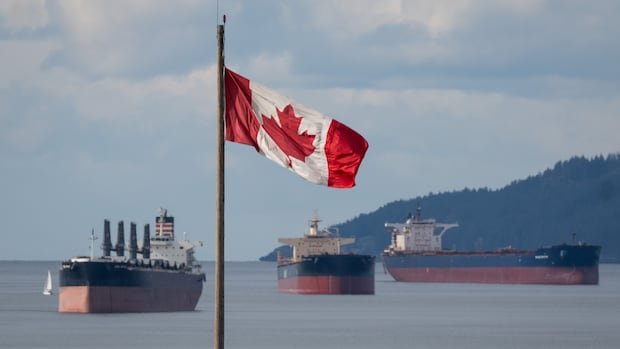
Shipping costs are on the rise as retailers and importers gear up for early Christmas orders amidst tariff uncertainties and global tensions. The surge in demand is pushing maritime shipping rates to their highest levels in four years, impacting consumers worldwide. The rush to secure shipments before potential U.S. tariffs and fuel price hikes linked to the Strait of Hormuz closure has led to a spike in seaborne transport prices.
According to industry experts, the increase in shipping rates is mainly driven by the early start to peak-season demand, attributed to both anticipated tariffs and rising fuel costs. Long-term contracts between large shippers and carriers, which adjust fuel costs quarterly, are also contributing to the price hikes. Importers are facing increased manufacturing costs due to energy price surges, further incentivizing them to expedite orders.
Global shipping rates have surged by about 80% in the past month, with rates from East Asia to North America’s west coast soaring by 120% in the last six weeks. The uncertainty surrounding potential U.S. tariffs on countries implicated in forced labor practices, along with concerns over the Canada-United States-Mexico Agreement, are driving the rush to secure shipments.
Business leaders emphasize the importance of booking shipments early to avoid potential disruptions and price increases. The ongoing ambiguity in trade policies is creating a sense of urgency among companies to stock up on supplies before any changes occur. Consumers are likely to feel the impact of these rising costs, with prices expected to reflect the increased shipping expenses at the checkout counter.