
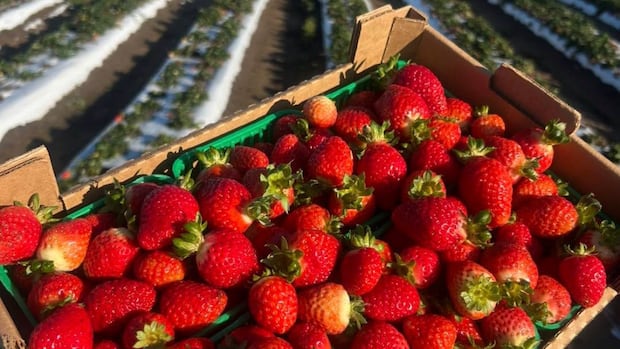
For many years, June has marked the strawberry season in southwestern Ontario. However, at one farm in Essex County, the strawberry harvest is extending into November.
Brad Raymont, the proprietor of Raymont’s Berries located near Cottam, has set a new record for the latest strawberry harvest at his farm, eclipsing the former record of November 9.
Raymont attributed the extended harvest to an unusually warm fall, which has allowed his outdoor strawberry plants to keep yielding fruit, with minimal frost until mid-November.
“This fall has been quite lovely,” he shared during an interview on Windsor Morning. “We experienced a chilly late spring, but frost didn’t arrive on the farm until possibly this morning.”
Although the rate of production has significantly decreased, Raymont mentioned that the remaining strawberries maintain high quality, delighting customers with this surprise late-season offering.
He suspects that climate change is influencing this phenomenon.
“Even a decade ago, we weren’t harvesting strawberries in November,” he noted.
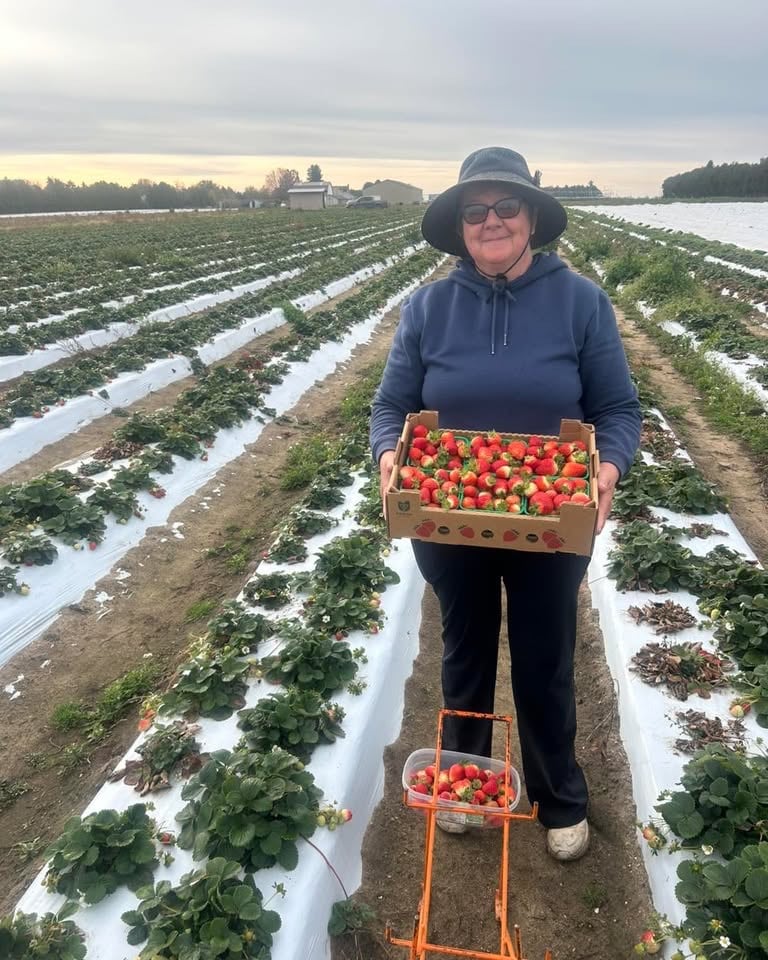
Katharina Neufeld harvests strawberries at Raymont’s Berries near Cottam in mid-November 2026. (Submitted by Brad Raymont)
Nevertheless, Raymont recognizes that the evolving harvest is not solely due to weather conditions.
Innovative growing methods and diverse strawberry varieties sourced globally have enabled farmers to prolong production far beyond the conventional June timeframe.
In contrast to June-bearing strawberries, which generate most of their fruit within two or three weeks, day-neutral varieties can yield berries consistently throughout the growing season.
“The world has become smaller; we now have access to strawberry varieties from all corners of the globe,” Raymont stated.
Climate change impacting plant growth: professor
Madhur Anand, a professor within the School of Environmental Sciences at the University of Guelph, remarked that the prolonged harvest aligns with the alterations researchers have been observing in plant behavior over the years.
“As ecologists, we have been documenting these changes across various plant species, not just those utilized in agriculture,” she explained to CBC Windsor.
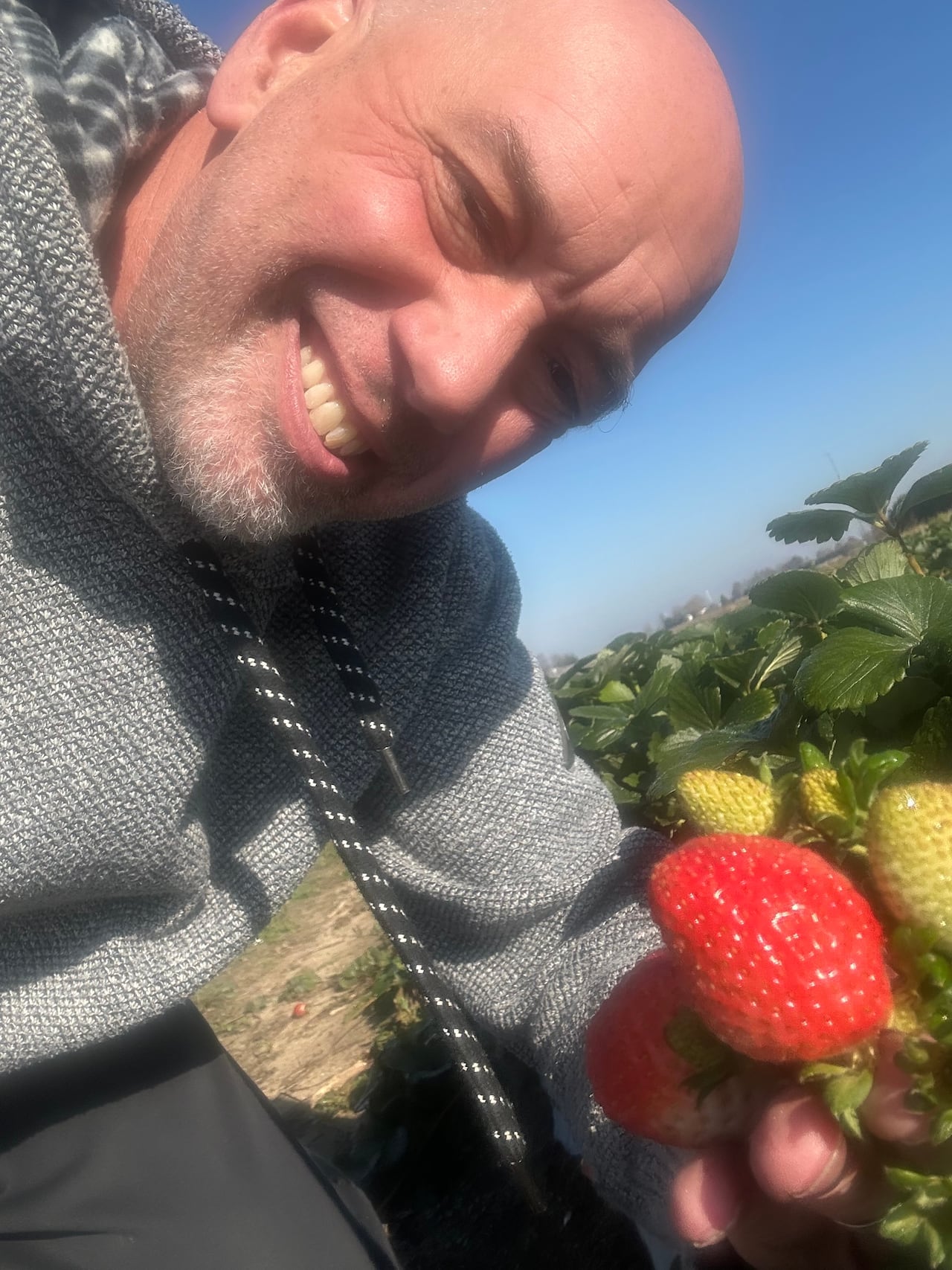
Brad Raymont, owner of Raymont’s Berries near Cottam, has broken his farm’s record for the latest strawberry harvest, surpassing the previous record of Nov. 9. (Submitted by Brad Raymont)
She has observed similar changes in her garden in Guelph, where her tomato plants continue to produce fruit in November.
Anand pointed out that advancements in agricultural technology, along with shifting climatic conditions, are likely both factors contributing to the lengthening growing seasons.
“No variety is perfectly suited to the pace of climate change we are experiencing. So it’s surely going to be a blend of influences,” she added.
Extended seasons come with challenges
While longer harvest periods may provide advantages to some farmers, Anand warned that the overall impact of climate change on agriculture is predominantly adverse.
She highlighted severe heat, droughts, and flooding as increasingly significant threats to agricultural output.
While warmer temperatures might benefit certain crops, erratic weather can also devastate harvests or diminish productivity.
-
Christmas tree grower says changing climate brings ‘more bad years than good years’
-
Huge drop in grape harvest after ‘superbly cold’ winter event leaves Ontario winemakers worried
Anand believes that strawberry harvests in November may become increasingly common over the next two to three decades, although more extreme weather could render growing conditions less reliable.
Meanwhile, Raymont noted that the extended season has already transformed his business.
Ten years ago, his farm market would close around Labour Day, but now it typically stays open until at least Thanksgiving, with occasional sales in November.
And although November strawberries may seem out of the ordinary, Raymont insists they can taste just as delightful as their summer counterparts.
“Sometimes I believe the fall strawberries taste as good, if not better than, the first ones in June,” he remarked.
“A strawberry that bears in June is generally softer and juicier, whereas a November-bearing variety tends to be firmer and can even have a bit of crunch.”