
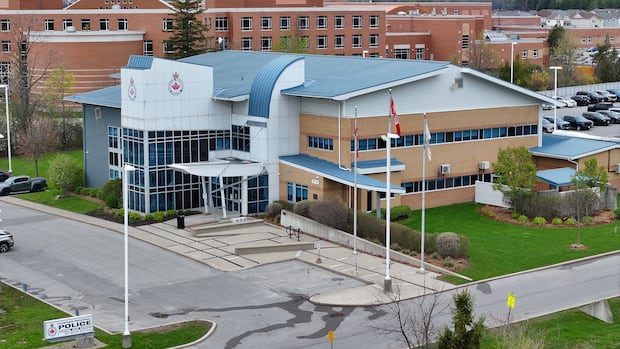
Multiple police officers in Durham Region diagnosed with post-traumatic stress disorder (PTSD) have expressed concerns that the police service is hindering their recovery by opposing their access to mental health benefits in the workplace. Chief Peter Moreira mentioned that the service rarely disputes Workplace Safety Insurance Board (WSIB) claims, doing so only to gather additional information about the officers’ cases. The officers’ statements come after a six-year report by the Ontario Civilian Police Commission revealed that Durham Regional Police Service (DRPS) consistently contested officers’ PTSD applications to the WSIB.
While the report, obtained through a freedom of information request, does not include specific details of the officers’ statements, five out of the six officers who spoke with CBC News indicated ongoing resistance from the service, even under Chief Moreira’s leadership since March 2023. The officers, using pseudonyms to protect their identities, are currently navigating their WSIB claims.
According to DRPS data, approximately 10% of all WSIB claims since 2023 have faced objections from the service, particularly those related to mental health. All six officers interviewed by CBC News had their cases objected to, with three of them now in the formal appeal process. Despite medical assessments from reputable institutions like CAMH and Trillium Health Partners, officers have faced challenges from DRPS on their claims, leading to setbacks in their recovery journeys.
Psychologist Sean O’Brien, with almost three decades of experience treating DRPS members, emphasized that objections without substantiated arguments can have a severe impact on the mental well-being of his patients dealing with traumatic stress injuries. Chief Moreira defended the service’s actions, citing the need to object in order to obtain essential information promptly, as delays in the WSIB system have been a prevalent issue.
While employers have avenues to request updates from WSIB case managers, officers like Stephen felt let down by DRPS, despite support from WSIB. The ongoing challenges faced by officers in accessing mental health benefits have raised concerns among stakeholders, including the Durham Regional Police Association president Andrew Tummonds. However, Shaun Collier, DRPS board chair and Ajax mayor, and Tummonds declined interviews on the matter.
The dispute between officers and the DRPS regarding mental health claims highlights the complexities surrounding PTSD support within law enforcement agencies and the broader implications for officers’ well-being.