
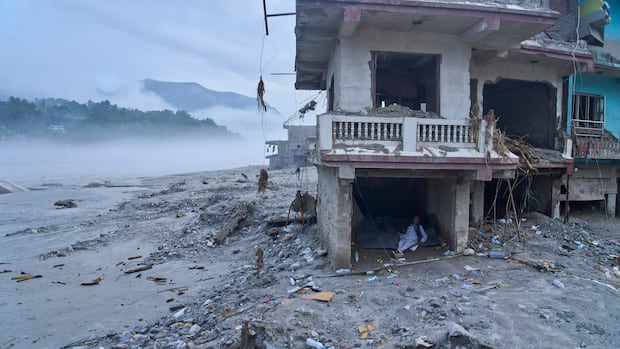
Countries in the developing world are urging that funding for climate adaptation and disaster relief take precedence at the upcoming COP31 summit in Turkey, especially following the recent catastrophic floods in Nepal, which have highlighted the shortcomings of existing efforts, according to experts.
A coalition of African nations successfully managed to place financial commitments on the agenda for the UN climate negotiations taking place in Antalya, which will continue until November 20.
They are advocating for justice during the discussions, as smaller and more vulnerable nations bear the brunt of climate change despite contributing relatively little to global emissions. Immediate action is critical, as the UN now anticipates that the world will exceed the 1.5°C global warming threshold established by the 2015 Paris Agreement.
A variety of finance-related initiatives are under consideration, such as a “debt pause clause” designed to assist countries in the wake of climate-related disasters, along with increased funding to help compensate nations that experience damage to their infrastructure, culture, and economies.
Developing nations, which require loans and grants to implement climate-related initiatives, are also calling for a more transparent and expedited process for utilizing the billions already pledged by wealthier donor nations such as Canada.
Nepal receives first payout from UN damage fund
Sagar Dhakal, a member of Nepal’s delegation at the summit, remarked that the “entire world” has recently witnessed the effects of climate change on his homeland in the Himalayas.
“In just 10 minutes, we lost over 7,000 lives,” Dhakal recounted, referencing the severe flash floods triggered by a glacier collapse that devastated the Trishuli River area north of Kathmandu in August.
Confirmed fatalities exceed 1,450, and nearly 5,300 individuals are still unaccounted for due to the floods, which obliterated towns and resulted in billions in damages.
In response to this crisis, the UN’s Fund for Responding to Loss and Damage, established three years ago to provide compensation for climate-related losses in developing countries, issued its first payout last month, allocating $21.6 million USD to Nepal.
However, experts like Sasha Jattansingh, a loss and damage specialist at Climate Analytics, a research organization based in the Caribbean, argue that this amount illustrates the program’s severe underfunding.
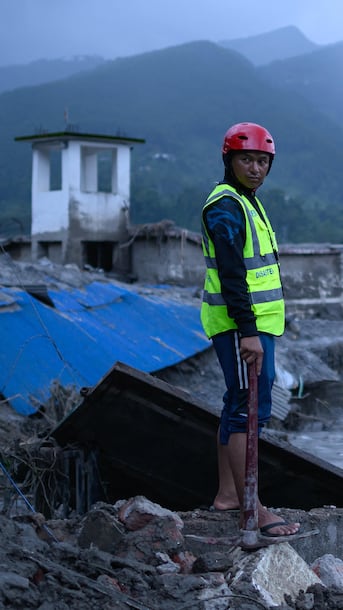
A collapsed glacier in Nepal caused catastrophic flooding that killed more than a thousand people, while thousands more are still missing. Andrew Chang breaks down what accelerated the flood to such a violent degree and how factors like the scale of the Himalayan mountains and the region’s climate make prediction and monitoring so challenging.
(Photo credits: The Canadian Press, Reuters, Adobe Stock and Getty Images)
“This initial payout demonstrates the fund’s ability to act swiftly and be responsive. Nonetheless, $21.6 million represents less than one percent of the actual estimated loss and damage for Nepal,” Jattansingh stated.
Nepal is among 119 nations that have requested funding from the loss and damage fund, totaling approximately $2.8 billion USD. So far, donor nations have pledged around $822 million USD to this fund, but they have contributed only about half of that amount.

The search for survivors is underway after deadly flooding in Nepal and Tibet. But experts around the world are also unpacking what role climate change played in the disaster. We hear from two experts who know the region well, who say people have been warning that something like this was coming as glaciers warm at an alarming rate. And we find out why a better understanding of the impacts of warming on this region could protect lives.
Harjeet Singh, a climate finance advocate from India, is leading a campaign called Fill the Fund to encourage donor nations, including Canada, to commit and provide increased support.
“It’s as if we have a fire station but not enough water to extinguish the fire,” Singh remarked, expressing his belief that the UN’s loss and damage fund must respond more rapidly.
He explained to CBC’s What On Earth that it took nearly seven weeks for the fund to convene a board meeting and allocate the funds for Nepal. Moreover, the funds have yet to be disbursed, as a further application process for specific projects is required.
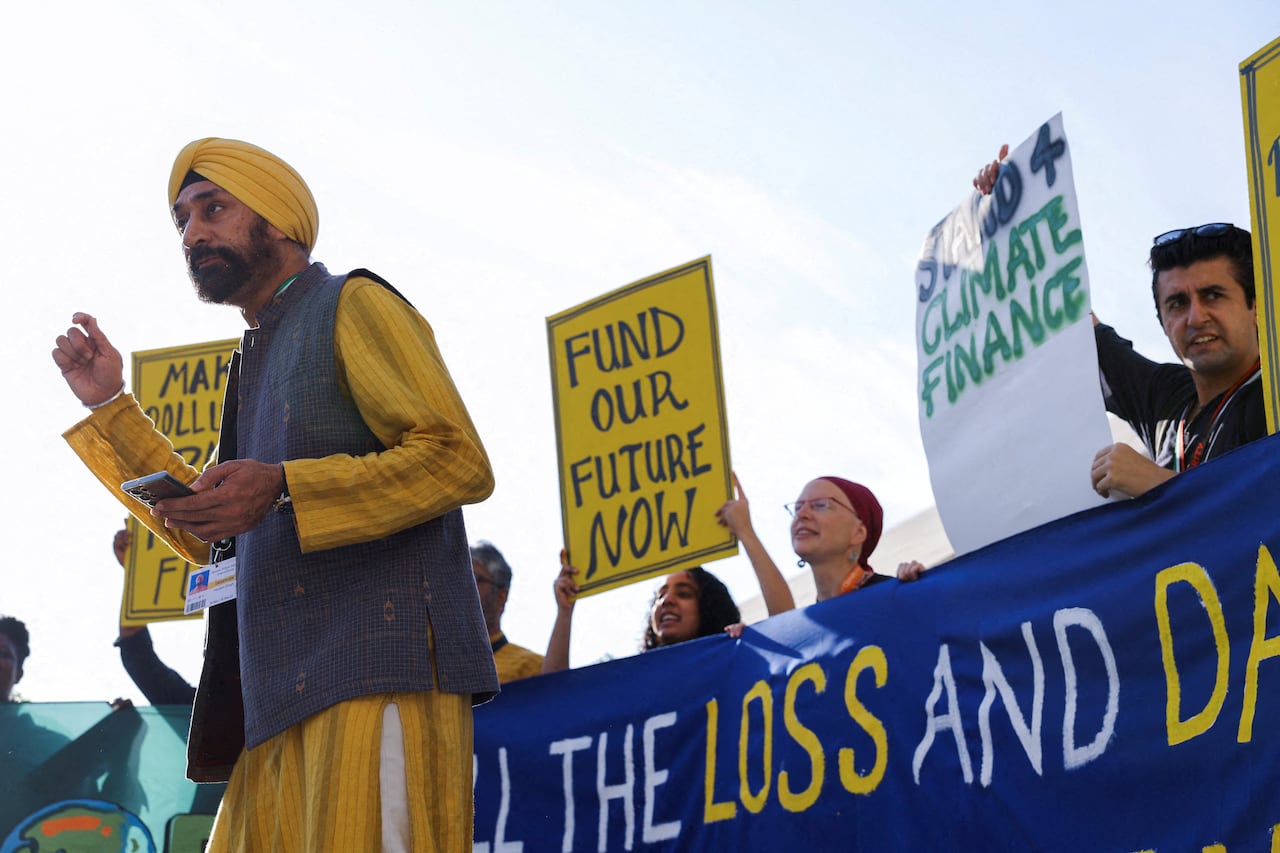
Climate finance campaigner Harjeet Singh at a rally during a UN climate summit in Dubai in December 2023. (Amr Alfiky/Reuters)
Demand for quicker funding processes
There is also an initiative to accelerate various forms of climate finance at COP31.
Delegates from at-risk nations, including low-income and small island states, are advocating for a simplified method of accessing funds for adaptation and mitigation initiatives, which they assert can be cumbersome and overly technical — a challenge for nations with limited governmental resources.
Singh highlighted that Nepal submitted a request to the UN’s Green Climate Fund (GCF) — which supports climate-related projects in developing nations and has around $87 billion USD backing — to finance a flood protection initiative roughly eight years ago, but it took seven years for the project to gain approval.
This delay is far too lengthy to assist countries like Nepal in preparing for such floods, he asserts.
“They were unable to begin working on that project before facing this disaster,” Singh remarked.
Discussions at COP31 will focus on applying pressure to the GCF, donor nations, and other funding bodies to facilitate quicker and more accessible funding for developing countries.
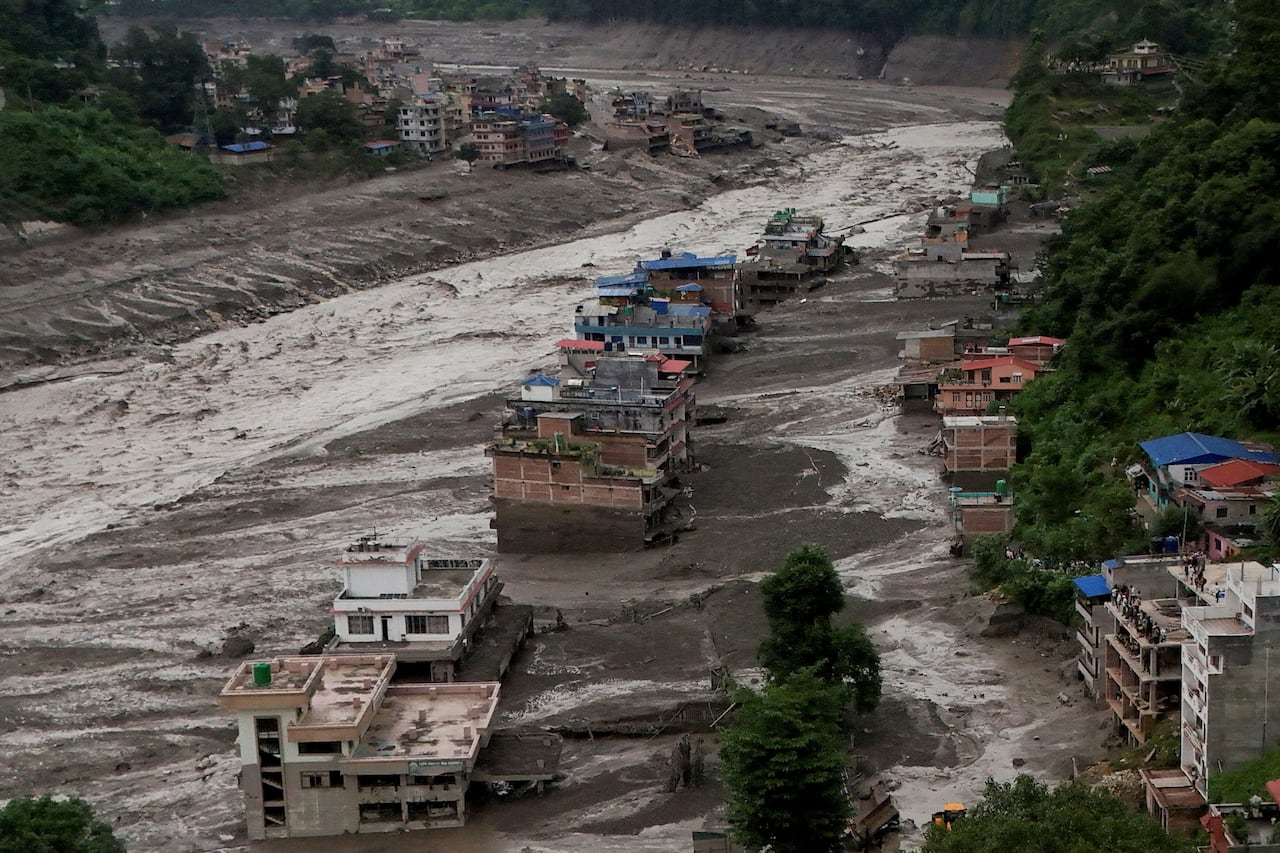
An aerial view taken on August 26 illustrates some of the destruction caused by the flash floods in Nepal. (Navesh Chitrakar/Reuters)
Experts indicate that Nepal’s situation underscores the increasing necessity for debt relief.
Developing nations are often compelled to incur debt to adapt to climate change and recover from disasters.
This was the case for Nepal following a catastrophic earthquake in 2015 that resulted in thousands of deaths and left many homeless throughout the country.
From 2015 to 2023, Nepal’s debt to foreign countries and multilateral lenders increased from approximately $4 billion USD to over $10 billion USD, partly due to expenses related to post-earthquake recovery and development.
By 2027, Nepal is expected to owe around $400 million USD to the World Bank and Asian Development Bank for its loans — funds that, according to experts, should ideally be allocated for rebuilding efforts instead.
This scenario exemplifies how developing nations are increasingly trapped in deeper debt cycles due to the recurring nature of climate disasters, according to Ritu Bharadwaj, a climate finance specialist at the International Institute for Environment and Development in London.
“Nepal is in a continuous state of rebuilding,” she stated.
While initiatives to temporarily suspend the debt of vulnerable countries are crucial, Bharadwaj believes it is even more essential to “evaluate how much debt has been accrued due to climatic disasters and, rather than servicing that debt, allow those funds to be directed towards reconstruction efforts.”