
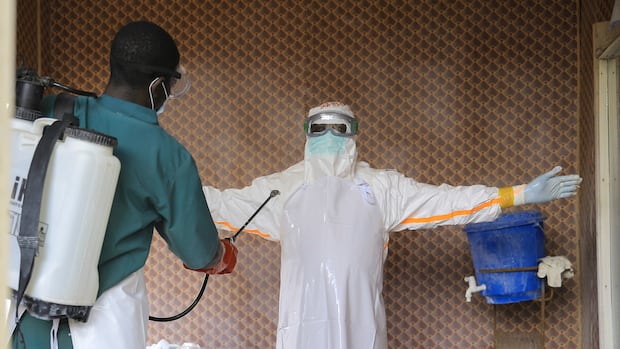
The Ebola outbreak in the Democratic Republic of the Congo has surpassed 4,000 fatalities, according to officials, who are working tirelessly to control the virus’s spread.
Recent data shared by the health ministry on Thursday indicated that 4,018 individuals have succumbed to the virus, representing nearly half of the 8,300 confirmed cases, marking this as the most rapidly expanding Ebola outbreak ever recorded.
The outbreak was officially declared on May 15, triggered by the rare Bundibugyo virus, which currently lacks any known treatment or vaccine.
In the capital of Ituri province, Bunia, health workers gathered to demand overdue wages, but they were swiftly dispersed by local authorities. Among those protesting were members of surveillance teams responsible for identifying individuals who may have been exposed to the virus. They held signs proclaiming, “No money, no data!” and “No payment for months.”
Since the onset of the outbreak, front-line workers have staged several strikes, further complicating the containment efforts.
A senior United Nations official reported that soldiers set fire to an Ebola transit camp earlier this week while searching for weapons in Kigonze, located on the outskirts of Bunia, resulting in the displacement of 19,000 individuals from the camp.
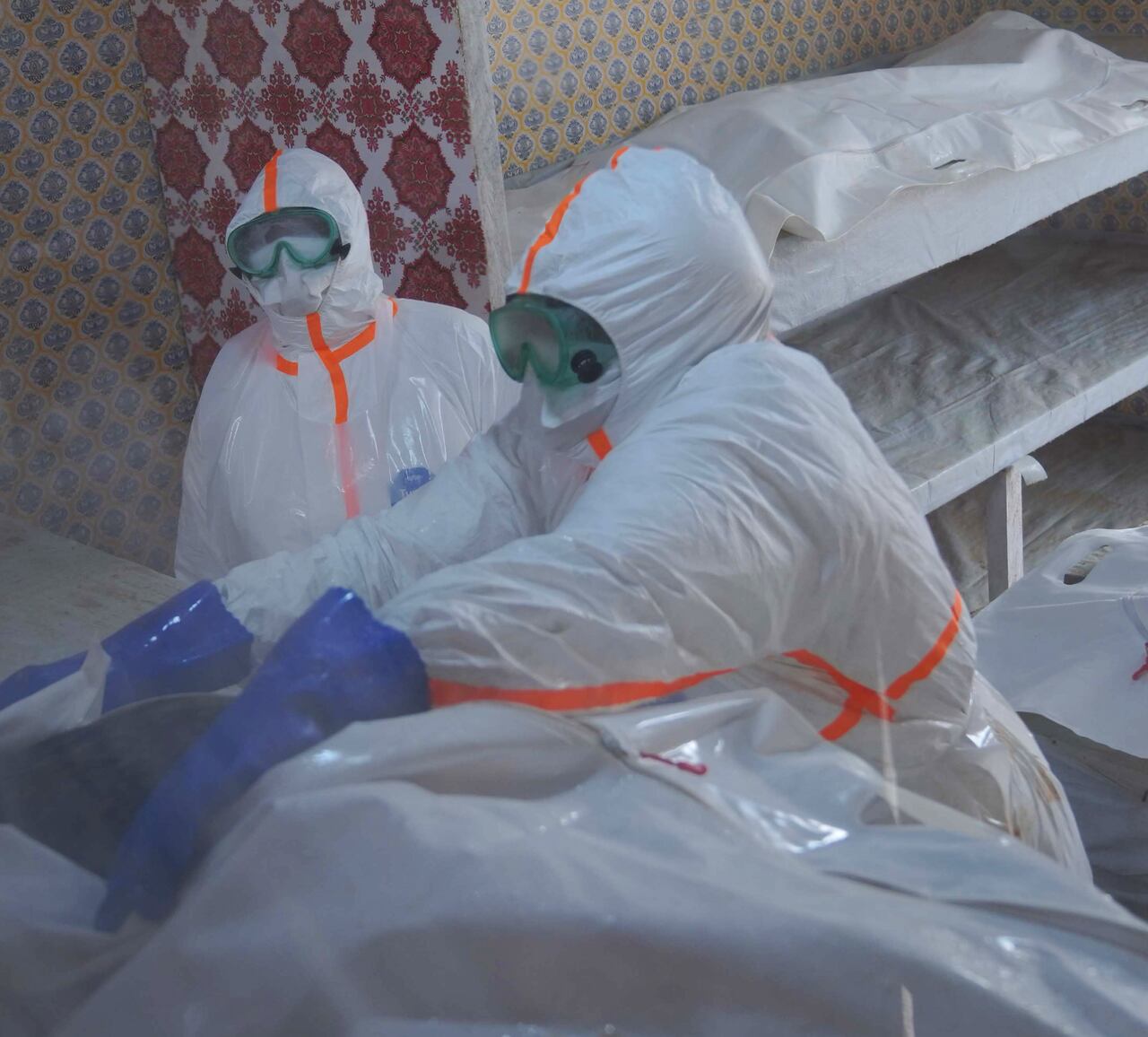
Health workers prepare to transfer the body of a 38-year-old woman who died of the Ebola virus to a coffin ahead of her burial in Bunia, Congo, on Sept. 4. (Dieudonne Dirole/The Associated Press)
Julien Harneis, the UN’s senior Ebola co-ordinator, mentioned that establishing transit and treatment centers has proven challenging, as both funding and personnel are critically lacking.
“The loss of a center equates to a loss of capacity and investment, compelling us to restart the process. Most importantly, it deprives individuals of the essential care they require,” Harneis stated.
Infected aid worker evacuated to Netherlands
A Médecins Sans Frontières aid worker was infected with Ebola while on duty in Congo, the organization confirmed in a statement.
The worker arrived late Thursday after being transported to the Netherlands via a specialized medical flight and was admitted to a high-level isolation unit, as stated by the Leiden University Medical Center.
-
Suspected Ebola case at Montreal hospital turns out to be a false alarm
-
Video
Ebola outbreak now deadliest in Congo’s history
“The human toll of this crisis is unprecedented in the DRC, with communities facing the largest Ebola outbreak ever documented in the nation,” MSF reported.
Over 50 health workers have lost their lives after contracting the virus.
Community resistance hindering containment efforts
The World Health Organization has recently expressed concern regarding the virus’s swift spread into new health zones, which is stretching already limited resources.
According to Africa CDC’s latest news briefing, the rate of newly confirmed cases is declining, though this may be due to insecurity and difficulties in securing community cooperation in certain hotspots. While the disease’s transmission rate has decreased in some regions, it has increased in others, leading experts to view the situation as precarious.
-
Video
Moderna authorized to test vaccines to fight Ebola virus in Congo
-
Aid cuts have slowed fight to contain Ebola in central Africa, doctors say
In recent weeks, the number of confirmed cases has decreased, falling from approximately 850 cases and 470 deaths weekly in mid-July to an average of 490 cases and 230 deaths in September.
A politician in Congo was attacked and fatally beaten earlier this week for advocating government actions regarding the outbreak, underscoring the tensions that have strained both the health sector and local resources.
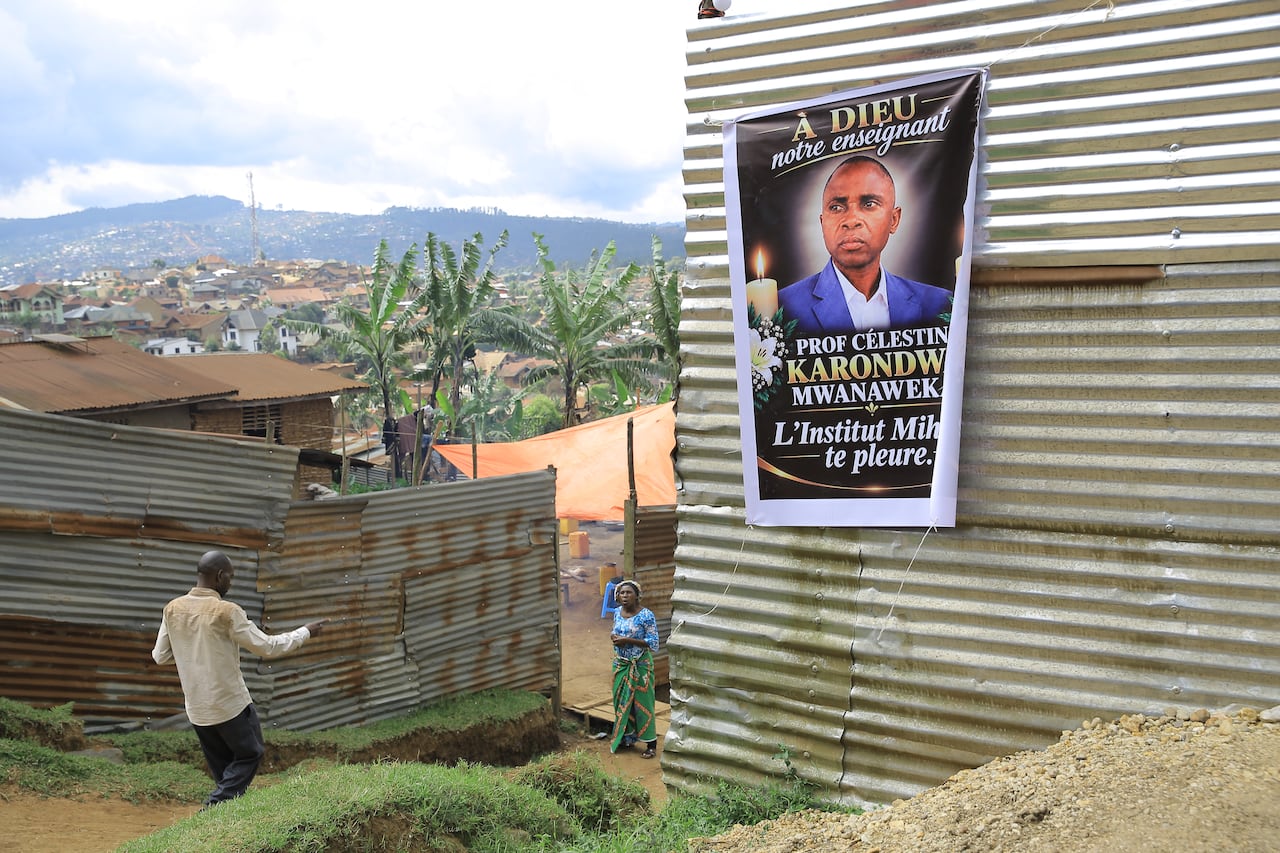
People on Wednesday walk past a banner in Butembo, Congo, with a photo of Marie-Célestin Karondwa, a local official who was beaten to death after publicly defending the government’s response to Ebola. (Sebastien Kitsa Musayi/The Associated Press)
The assault on Marie-Célestin Karondwa, a local official affiliated with Congo’s ruling Union for Democracy and Social Progress party, occurred on Sunday at his residence in Butembo, an Ebola-affected area in eastern North Kivu province. His home was subsequently set ablaze, and he later died from his injuries at a hospital.
Widespread distrust of health officials and government authorities has significantly obstructed efforts to contain the 17th Ebola outbreak in Central Africa.
Last month, authorities implemented a village-centered strategy; however, these initiatives face pushback from residents who regard Ebola as a fabrication. There is also pervasive skepticism toward the government’s motives, stemming from how it has managed previous Ebola outbreaks and ongoing corruption issues.