
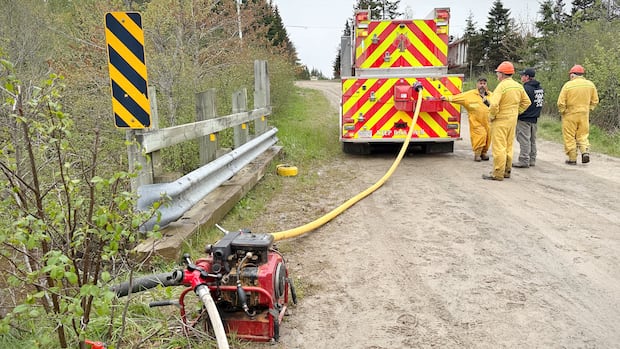
Cape Breton Regional Municipality (CBRM) councillors are currently at odds over the practice of rural fire departments utilizing their equipment and municipally treated water to fill private swimming pools. This long-standing tradition, particularly prevalent after last year’s drought, is now under scrutiny due to concerns regarding conservation, legal accountability, and equity.
According to the director of water and wastewater, some rural fire departments are obtaining water from CBRM’s bulk filling station or hydrants to fill pools, contravening provincial regulations governing the water utility. This unregulated access poses challenges as costs associated with this activity are not being recuperated.
While some councillors argue that volunteer fire departments should be allowed to assist in filling pools, others stress the need for cost recovery measures. The debate centers on the balance between community service and financial implications for the municipality.
In response to the concerns raised, council members are considering implementing a fee structure to cover the utility’s costs associated with supplying water for pool filling activities. Suggestions include a nominal fee to ensure compliance with regulations and equitable service provision.
Acknowledging the potential legal implications and the need for fairness, Mayor Cecil Clarke proposed a system where residents could sign waivers to mitigate liability concerns. The aim is to establish a transparent and sustainable framework that benefits all stakeholders involved.
As discussions continue among CBRM staff, the water utility, and volunteer fire departments, a consensus is sought on policy recommendations and fee structures to regulate firefighters’ use of municipal water for pool filling activities. The objective is to strike a balance that ensures accountability, fairness, and compliance with regulatory standards.