
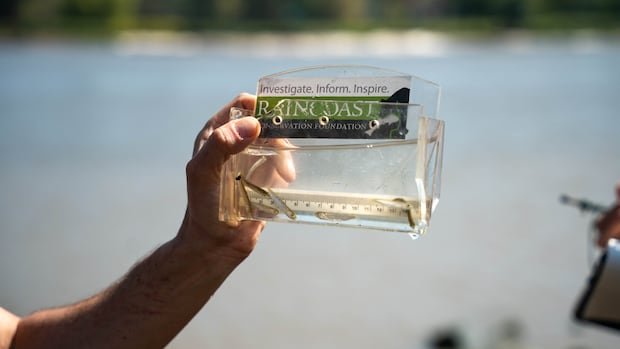
Juvenile chinook salmon in the Fraser River estuary have been found to contain a wide range of chemicals, including pharmaceuticals and flame retardants, according to a recent study. Researchers collected samples from hundreds of fish between 2019 and 2021, uncovering over 80 contaminants in the salmon tissue alone. The pollutants are believed to originate from industrial and wastewater sites upstream. Additionally, water samples from salmon habitat revealed the presence of 130 different contaminants.
The research team expressed concerns that these chemicals may be negatively impacting the growth, behavior, and overall health of the chinook salmon. David Scott, the lower Fraser research and restoration director for the Raincoast Conservation Foundation (RCF), highlighted the concerning variety of pollutants found in the fish, ranging from pharmaceuticals and personal care products to pesticides and flame retardants.
The study, which focused on organic chemicals, identified 16 priority contaminants with potential adverse effects, including the flame retardant PBDE-penta-total found in salmon tissue samples. Moreover, 15 other priority contaminants, such as cocaine and pesticides, were detected in habitat water samples. In addition, eight “watchlist” chemicals posing elevated biological risks were found in salmon tissue samples, including pesticides, pharmaceuticals, and other organic chemicals.
Funded primarily by the Department of Fisheries and Oceans, the study was conducted in collaboration with the Raincoast Conservation Foundation and Simon Fraser University. Tanya Brown, a study co-author and assistant professor at Simon Fraser University, emphasized the likelihood of additional unmeasured chemicals affecting the fish, calling attention to the alarming combination of various pollutants the salmon are exposed to.
Similar research in Washington state’s Puget Sound has shown that synthetic organic chemicals inhibit chinook growth, potentially leading to long-term impacts on the salmon population. The findings from both the Fraser River estuary and Puget Sound studies could influence how chemicals are regulated and managed, whether through public policies or individual actions. Researchers suggest that being mindful of how pharmaceuticals are disposed of at an individual level could contribute to reducing environmental contamination.