
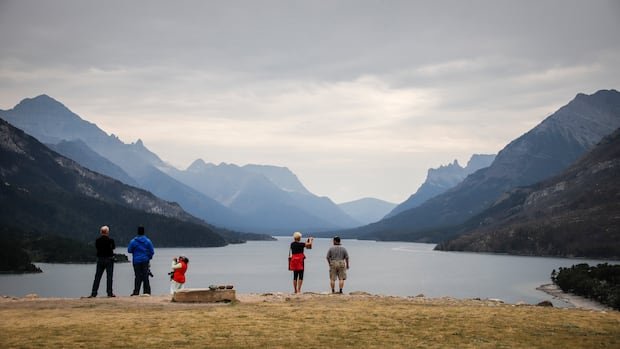
A recent report reveals that Canada’s initiative to significantly expand nature protection is leading to the creation of numerous job opportunities and has the potential to generate substantial revenues from tourism and hospitality. According to the Canadian Parks and Wilderness Society (CPAWS), conserved and protected areas, including provincial and national parks, as well as local conservation sites, supported 150,000 jobs during the 2023-24 fiscal year. The report highlights that two-thirds of these jobs were directly involved in conservation efforts and park management, while the remaining one-third supported related sectors like wilderness outfitting and tourism.
Jason Wong, an economic analyst at CPAWS, emphasized the significant value that protected areas bring, underscoring the economic benefits of investing in nature. Despite recent federal budget cuts affecting departments like Environment and Climate Change Canada and Parks Canada, the report argues for continued funding for conservation as a means of boosting the economy.
In the 2023-24 period, conserved areas contributed $10.9 billion to Canada’s GDP, significantly surpassing the $1.8 billion invested by the federal government. These areas also generated $6.6 billion in wages and $1.4 billion in visitor-related taxes. The report indicates a 50% increase in GDP contribution compared to figures from 2008, signaling a positive trend that could continue as Canada plans to enhance nature protection and establish new national parks.
The majority of conservation jobs are situated in rural regions, benefiting local communities. One example is Point Grondine Park, managed by the Wiikwemkoong First Nation in Ontario, which aims to preserve traditional lands while offering cultural experiences to visitors. Despite challenges in competing with larger provincially funded parks, initiatives like Point Grondine Park can attract visitors, benefiting the entire region economically.
Individuals like Sean Nichol, who started his conservation career in national parks, highlight the long-term benefits of working in nature. With Canada aiming to protect 30% of its lands and oceans by 2030, continued investment in conservation will be crucial for achieving this ambitious goal.
While concerns have been raised about funding for programs like the Indigenous Guardians initiative, the government emphasizes its commitment to the conservation target. As discussions continue on the upcoming nature plan, the potential for economic, social, and health benefits from investing in protected areas remains a key focus.