
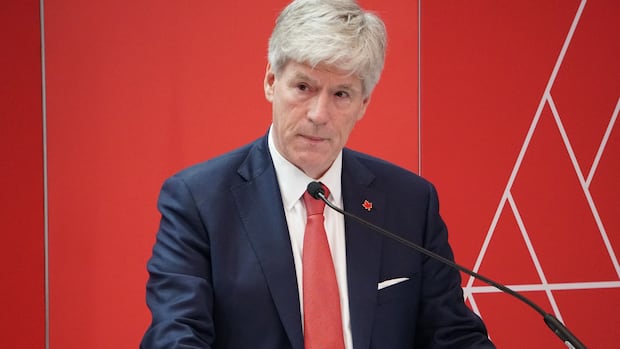
In Texas this week, the Canadian federal natural resources minister, Tim Hodgson, expressed optimism about Canada’s resurgence in the energy sector and its potential to boost exports. This affirmation coincides with a global energy crisis triggered by the U.S.-Israel conflict with Iran, heightening concerns about inflation and a potential global economic downturn.
While industry leaders at the CERAWeek conference in Houston appreciated Hodgson’s enthusiasm and the government’s direction under Prime Minister Mark Carney, they remain cautious, seeking substantial actions to demonstrate the federal government’s commitment to transforming Canada into an energy superpower. They are particularly looking for a shift from Canada’s historical reluctance to expand energy supply and exports, especially in oil and natural gas.
Hodgson emphasized the critical need for Canadian energy and minerals by allies for national security purposes during an interview with CBC News in Houston. He highlighted the increased interest in Canadian energy at the conference compared to previous years, noting the significant presence of provincial politicians, including conservative premiers from Newfoundland and Labrador, Nova Scotia, and Alberta.
The federal government’s energy initiatives have encountered mixed reactions within Canada. Despite passing legislation last summer to expedite nation-building projects, criticisms have arisen regarding potential weakening of environmental reviews and Indigenous consultations in favor of industrial development. Noteworthy changes include the relaxation of environmental policies like the oilpatch emissions cap and a memorandum of understanding with Alberta to potentially establish a new oil export pipeline to the B.C. coast, a proposal rejected by B.C.’s premier in favor of investing in a refinery.
At CERAWeek, Shell’s CEO highlighted Canada’s growth potential due to abundant natural gas resources and improved government support for the industry. Notably, Shell has a major stake in LNG Canada, which commenced natural gas exports from B.C. last year. The sector’s evolution is expected to be bolstered by policy changes made by Ottawa, aiming to streamline the permitting process.
The federal government seeks to expand energy production and exports on the West Coast to stimulate economic growth amid ongoing trade tensions with the U.S. However, attracting investments in the energy sector will require Canada to compete globally, particularly with the United States. Regulators’ slower evaluation processes in Canada compared to the U.S. have prompted efforts to expedite major energy projects, including LNG initiatives, through the Major Projects Office in Calgary.
Overall, industry executives acknowledge progress in the federal government’s energy agenda but stress the need for enhanced policies, increased production, and improved infrastructure to leverage Canada’s potential role as a stable energy superpower on the global stage.