
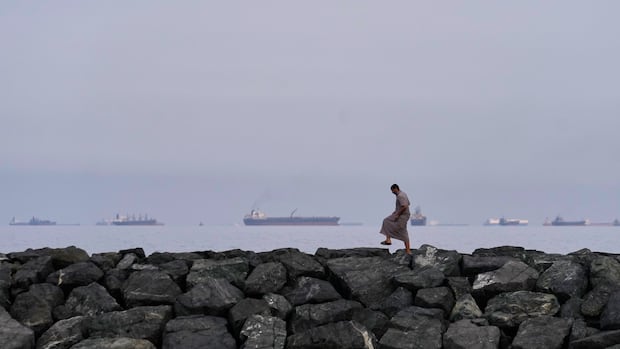
Defence Minister David McGuinty has indicated that the Canadian government is contemplating offering vessels and cyber expertise to assist in reopening the Strait of Hormuz if a ceasefire is reached. In an interview with CBC’s Power & Politics, McGuinty provided specific examples of how Canada could contribute to allied efforts in stabilizing the strait amidst escalating energy prices.
The potential assistance includes the provision of vessels, de-mining expertise, intelligence, and cyber capabilities. However, these plans hinge on the condition that a ceasefire is established. Iran has disrupted traffic flow through the strait, a vital route for global petroleum and liquefied natural gas transportation, since the onset of the American and Israeli-led offensive a month ago.
While U.S. President Donald Trump has urged NATO allies to contribute military resources such as warships and troops for strait patrol, many countries, including Canada, have declined this request. Instead, allies have signaled a willingness to support in alternative ways. Recently, Canada joined a joint statement with other nations urging Iran to cease blocking the strait to commercial shipping and expressing readiness to assist in ensuring safe passage through the region.
McGuinty emphasized that any Canadian involvement would be contingent on a ceasefire agreement and clarified that Canada is not engaging in direct combat operations. Foreign Affairs Minister Anita Anand’s spokesperson stated that Canada’s support would be guided by on-ground requirements, legal frameworks, and ongoing consultations with partners.
Prime Minister Mark Carney defended the government’s limited disclosure of information regarding the conflict, citing operational security concerns. He highlighted the government’s focus on safeguarding Canadian Armed Forces personnel and assets. Additionally, the government announced new sanctions targeting individuals and entities linked to Iran involved in weapon procurement activities.