
According to the latest budget, the Susan Holt administration intends to increase the province’s debt by six billion dollars over the next three years.
While both the premier and finance minister had cautioned about facing “challenging decisions” prior to budget day, the spending plan released on Tuesday appears to defer these decisions to a later date.
Holt indicated that tough decisions were essential to manage the deficit, which reached an unprecedented $1.37 billion at the conclusion of this fiscal year.
However, the multi-year strategy outlined in the budget reveals that her administration anticipates deficits for each of the remaining years of their term.
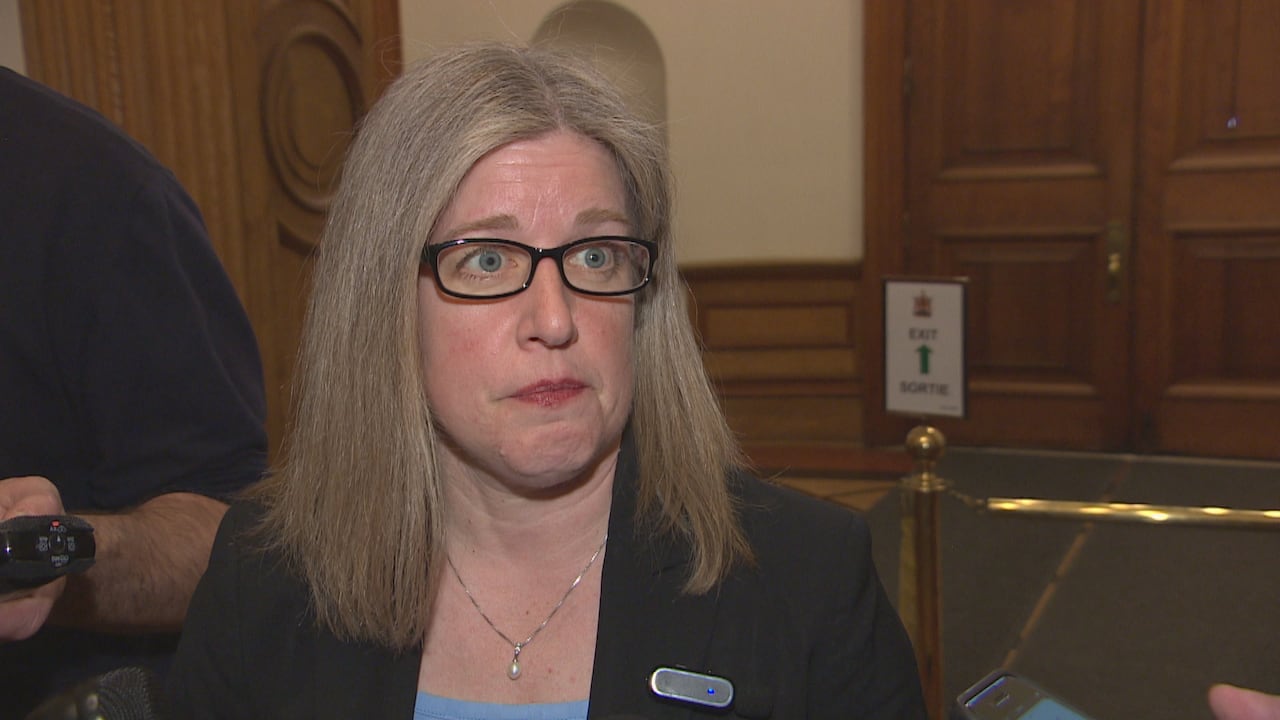
Premier Susan Holt had requested that all departments reduce their overall expenses by 10 percent — a goal that has not been achieved. (Ed Hunter/CBC)
This follows an initial campaign promise to balance the budget throughout all four years, a commitment Holt has since retracted.
During this period, net debt is projected to rise from its current $13.9 billion to $19.7 billion.
This increase would elevate the net debt to GDP ratio, indicating the government’s capacity to repay its debt, by approximately eight percent from now until the close of the 2029 fiscal year.
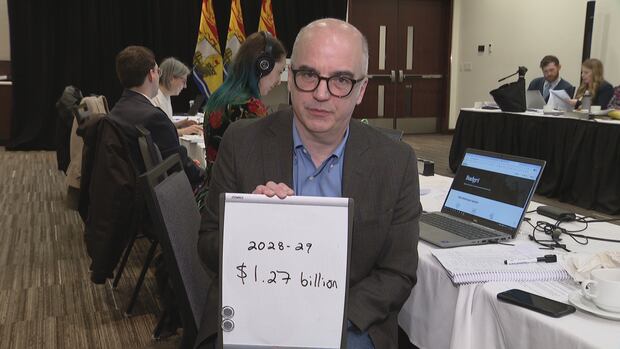
N.B. government avoids drastic cuts next year, resulting in a higher deficit
Economist Richard Saillant expressed concern that this increase could negatively affect the province’s credit rating in the future.
“In general, I view this as a highly irresponsible budget from a fiscal perspective,” he remarked.
“I would even go so far as to say that it represents a complete failure to fulfill responsibilities, indicating that the current trajectory is entirely unsustainable.”
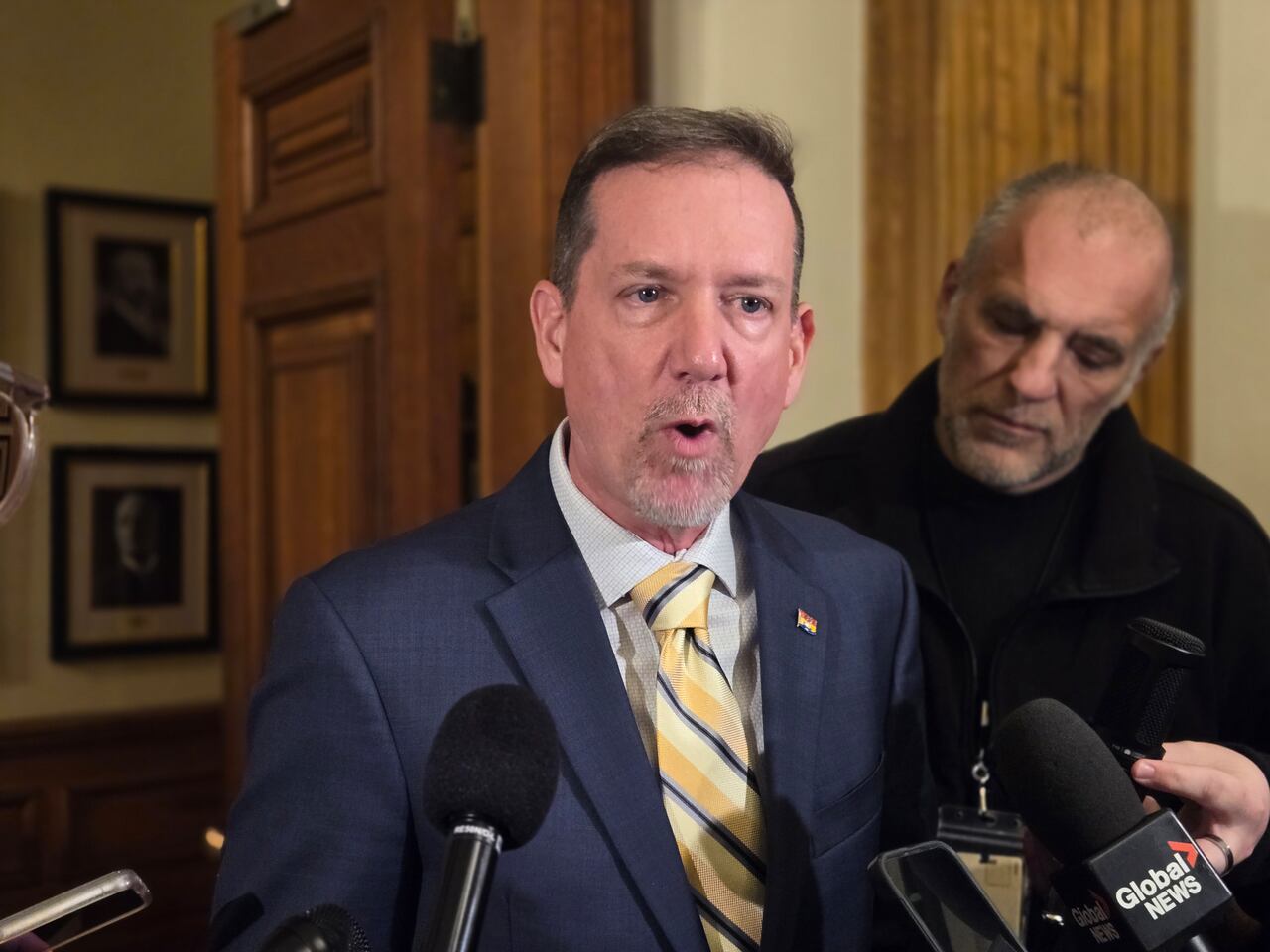
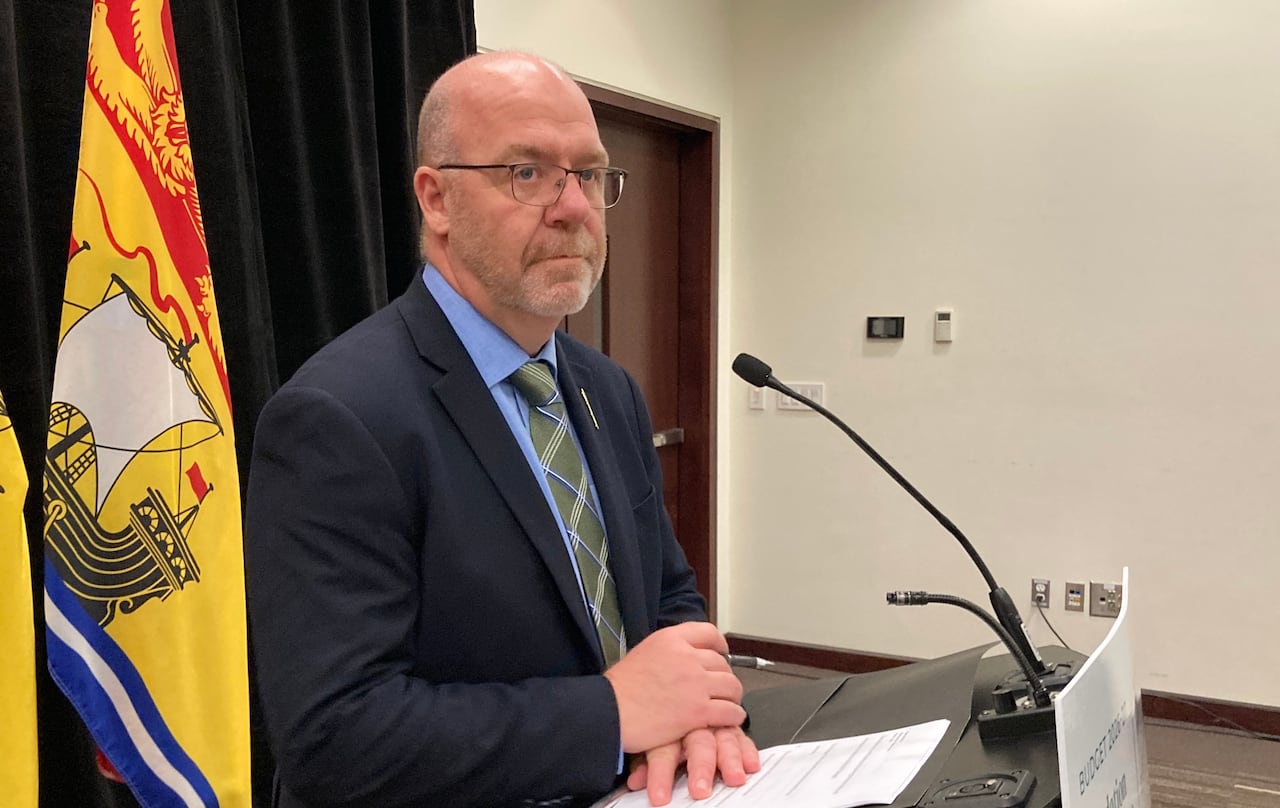
PC finance critic Don Monahan stated that the budget seems to lack the difficult choices that were promised. (Savannah Awde/CBC)
Finance Minister René Legacy mentioned that the government is still “engaging with groups” regarding potential cost-reduction strategies.
“We could have opted to respond to the pressure by drastically cutting programs and services across the board to reduce the deficit more quickly,” he stated during the budget presentation. “However, New Brunswickers have clearly indicated that is not their preference, and we concur.”
Don Monahan, the finance critic for the Progressive Conservative Party, described the budget as “remarkable” during his remarks to reporters at the legislature on Tuesday.
“We have been urged to make tough decisions, and we anticipated significant cuts, yet there was no substantial action taken at the end of the day,” he expressed.
Green Party Leader David Coon is not alarmed by the deficit amount but is concerned about the government’s proposed plan for the upcoming years.
“If you examine the direction they are taking, it raises concerns,” Coon stated. “The projected debt to GDP ratio shows a worsening trend year after year. This is indeed a matter for concern.”
Three departments face budget cuts
Holt had instructed all departments to identify a 10 percent reduction in their total expenses — a directive that has not been fulfilled.
The comparative expense statement indicates an 11 percent reduction in overall government spending.
Nevertheless, reductions in departmental budgets were less significant — with the Finance and Treasury Board seeing a 0.4 percent cut, the Department of Natural Resources a 4.3 percent cut, and the Regional Development Corporation a 1.2 percent cut.
Conversely, all other departments are projected to experience budget increases, with overall government spending anticipated to rise by 5.5 percent this year.
In his budget address, Legacy emphasized that healthcare is the government’s top priority, highlighting the budget’s “largest investment in healthcare in history.”
Finance Minister René Legacy stated that the government is still in discussions regarding cost-reduction measures. (Jacques Poitras/CBC)
The healthcare budget is set to increase by 17.4 percent compared to last year’s planned budget.
However, the province exceeded its healthcare budget in the previous year.
In comparison to the actual healthcare costs incurred last year, the budgeted amount for the upcoming year signifies a 6.1 percent increase.
A similar situation applies to the Department of Social Development, which will see a 15.5 percent increase from last year’s budgeted figure.
However, this leaves the department with 7.6 percent more than what was actually expended last year.
Holt Liberals propose cuts that may have political repercussions
Holt has implemented some cost-saving strategies that had been publicly discussed by the province.
Legacy announced that the province will decrease the size of its civil service by 12 percent through attrition, expecting to save up to $100 million.
Additionally, the province plans to introduce a toll for non-New Brunswick vehicles near Aulac, at the Nova Scotia border, projected to begin in 2028 and generate $10.4 million annually.
Furthermore, it will close or transfer ownership of ten provincially-owned heritage sites that attract fewer than 5,000 visitors annually and phase out provincial field veterinary services over the next three years.
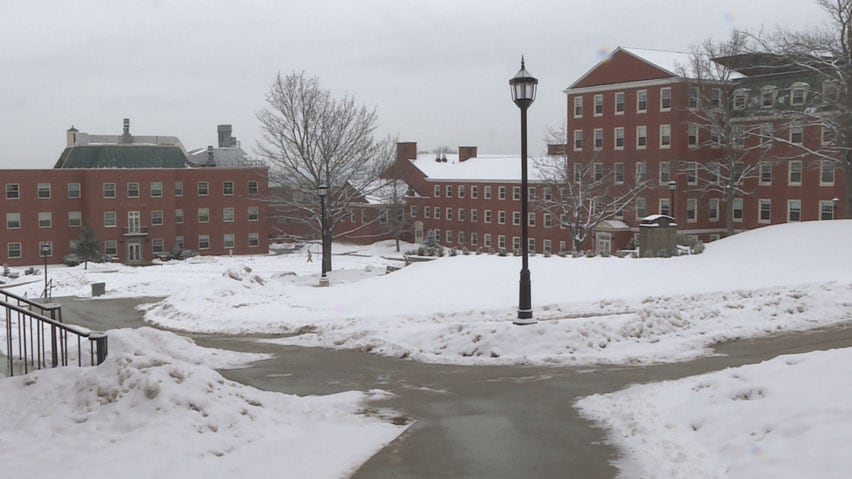
The University of New Brunswick will be among several post-secondary institutions facing a freeze on operating grants. (CBC)
The budget address pledged to lessen the government’s dependency on external contracts through stricter approval protocols and to evaluate “underutilized” assets, including schools with fewer than 100 students.
Additionally, the province will freeze operating grants to post-secondary institutions.
The government is also seeking to bolster revenue by intensifying efforts against contraband tobacco, allocating $1.2 million to establish a dedicated “contraband tobacco enforcement team” within the Department of Justice and Public Safety.
Similarly, $667,000 will be allocated for enforcement against illegal lobster sales, which the province estimates could yield an additional $5 million to $8 million.