
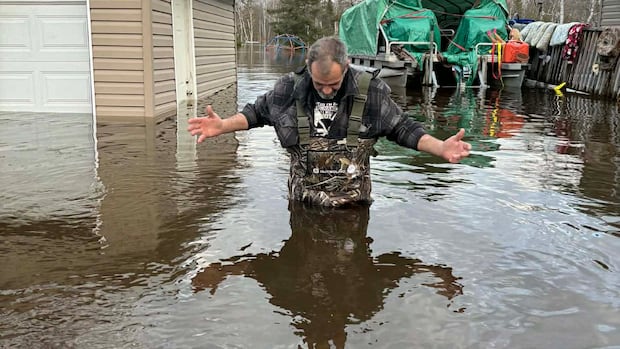
Residents in northeastern Ontario are being advised to carefully assess their home insurance policies following severe property damage caused by spring flooding. Many homeowners are facing unexpected losses due to the rapid snowmelt, heavy runoff, and rising water levels that swept through Greater Sudbury, North Bay, and rural areas in the region, resulting in evacuations and extensive structural damage.
Wendell Daley, residing on the Vermillion River in the Whitefish area of Greater Sudbury, experienced significant and abrupt damage. Daley mentioned that with the thaw and melt, water had to flow in his direction, leading to what he estimates as $500,000 in damages to both of his buildings and most of their contents.
Despite having insurance, Daley was informed that flood coverage was not applicable in his floodplain area. This left him with no protection for the losses incurred. Additionally, as the primary caregiver for his developmentally delayed daughter following the loss of his wife, Daley expressed the emotional toll of the situation, with his daughter being displaced from her secure space, causing heartache for the family.
Another affected homeowner, Linnea Corbett near McCharles Lake, witnessed water rising and flooding her home, resulting in an estimated damage exceeding $100,000. Initially believing she was covered for floods, Corbett’s insurance claim was denied, leaving her overwhelmed and uncertain about the future.
Experts emphasize a common misunderstanding regarding water damage coverage in insurance policies. Anne Marie Thomas, the director of consumer and industry relations at the Insurance Bureau of Canada, highlighted that standard home insurance typically covers sudden and accidental flooding, such as internal plumbing issues. However, coverage for sewer backup and overland flooding must usually be purchased as additional policy components.
Thomas emphasized that overland flooding, which occurs when water enters from rivers, lakes, or runoff, requires specific coverage and may not be available in high-risk flood zones. She advised homeowners to document damages immediately, keep receipts, and create a detailed inventory of damaged items for insurance claims.
In conclusion, Thomas recommended homeowners to review their policies beforehand, ensuring they have adequate coverage and understanding of what is included. Being proactive and informed about insurance coverage can prevent unpleasant surprises during disasters like flooding.