
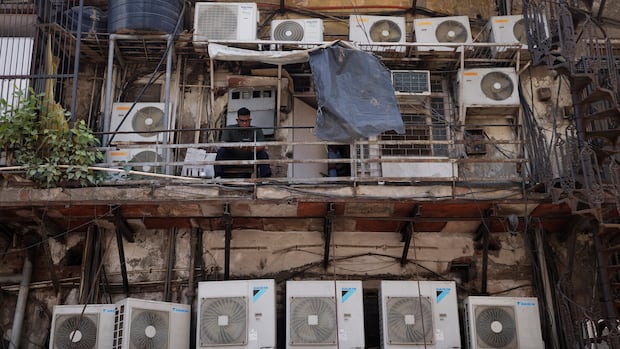
A recent UN report reveals that buildings are responsible for nearly 40% of global greenhouse gas emissions, with the use of fossil fuels for heating and cooling being a significant contributing factor. However, there are viable solutions available, with some countries already implementing successful strategies.
According to Inger Andersen, the executive director of the United Nations Environment Program, buildings play a crucial role in either exacerbating climate risks or providing safer, healthier, and more cost-effective living spaces. The report indicates that almost half of the Earth’s extracted materials are utilized for construction, leading to 37% of global emissions and 28% of energy consumption.
Despite a 20% increase in floor space over the past decade, building efficiency hasn’t kept pace, resulting in a 6.5% rise in building emissions. The report emphasizes the prevalent use of fossil fuels for heating, cooling, and cooking, but it also highlights alternative solutions such as passive cooling methods like shading, rooftop solar panels, and district heating systems that tap into renewable energy sources.
As the demand for cooling rises due to global warming, the report underscores the significance of passive cooling techniques that require minimal energy consumption. Countries like Kenya and Pakistan, as well as California, are leading the way in promoting passive cooling strategies in building codes to enhance energy efficiency.
Furthermore, the implementation of solar-powered systems, particularly rooftop and balcony solar panels, can reduce reliance on fossil fuels for electricity grids, aiding in the decarbonization of buildings. Innovations such as district heating and cooling allow for shared energy sources among buildings, offering higher efficiency and access to renewable energy options.
The report suggests that policymakers should prioritize the long-term cost and emissions benefits of sustainable building solutions to encourage broader adoption. It emphasizes the need for a shift away from fossil fuels towards renewable heating and cooling methods to combat climate change effectively.