
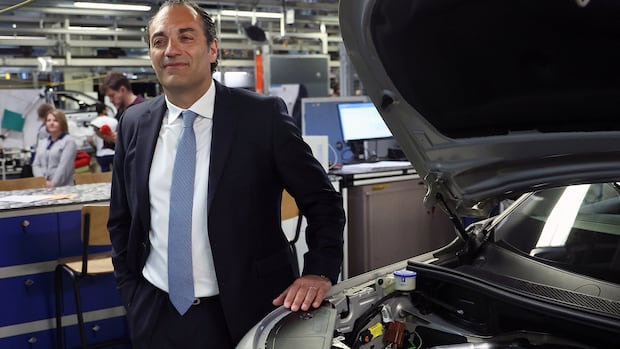
Stellantis CEO Antonio Filosa has emphasized the time needed for substantial progress following the automaker’s second-quarter results falling short of expectations and impacting its share value. The company presented a $70 billion recovery plan in May, outlining the introduction of 60 new models by 2030 to reclaim lost U.S. market share. Filosa highlighted three key focus areas during a recent analyst call: expanding market presence, cutting operational expenses, and enhancing product quality, noting steady but gradual advancements in these areas.
Stellantis experienced a 6% sales increase in North America, propelled by an 11% surge in sales of high-margin Ram pickup trucks and Jeep models, which are pivotal in boosting U.S. market share. Notably, the Windsor-built Chrysler Pacifica minivan saw a 7% sales uptick compared to the previous year. However, revenue in Europe remained stagnant as Stellantis had to reduce prices to combat rising competition from Chinese automakers.
To counter the escalating competition from Chinese counterparts such as BYD and Chery, Filosa mentioned leveraging the company’s Chinese joint-venture partner, Leapmotor, whose sales in Europe surged nearly sixfold in the first half of 2026. Stellantis is also striving to develop competitive vehicle platforms for the European market, aligning with Chinese standards of competitiveness.
Despite a substantial year-over-year increase in second-quarter adjusted earnings before interest and tax to $884 million, surpassing last year’s figures by threefold, the results fell short of analyst forecasts. Citi analysts pointed out that the adjusted operating income margin remained low at 1.8%, attributing this to price reductions in Europe, increased administrative and R&D costs, adverse currency fluctuations, and tariffs.
Since assuming the CEO role in June the previous year, Filosa has concentrated on revitalizing sales volumes and regaining market share lost during a prolonged downturn, anticipating that these efforts will lay the groundwork for a broader recovery. Stellantis has reevaluated its electrification goals and witnessed a significant decline in share value since Filosa’s appointment.
While second-quarter revenue surged by 13% year-on-year, driven by a 32% increase in North American sales, concerns were raised about the necessity to streamline operations before introducing new high-margin models. Stellantis maintained its full-year projections, including mid-single-digit revenue growth and a low-single-digit adjusted operating income margin, with positive industrial free cash flow anticipated in the following year. The company also anticipates U.S. tariff expenses ranging from $1.15 billion to $1.38 billion for the year.