
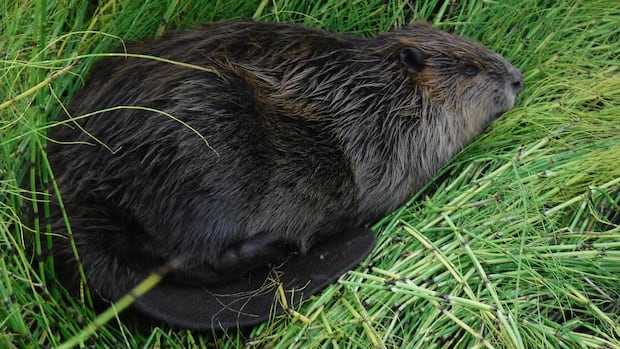
A resident of the Inuvialuit region, Kevin Arey, recalls the time when seeing beavers was a special event during his childhood. However, the current overabundance of beavers has changed his perspective. Arey is part of the Imaryuk Monitor program, tasked with safeguarding wildlife and land along the Inuvik-Tuktoyaktuk Highway in the Northwest Territories.
He notes a significant rise in the local beaver population, with sightings of beavers venturing into saltwater, a behavior atypical for these freshwater creatures. Arey highlights the impact of beavers and their dam-building activities on traditional travel routes, disrupting activities like fishing and hunting.
Recent research published in the journal Ecosphere validates Arey’s observations, indicating a surge in beaver presence in the Arctic since 2008. The study, led by Helen Wheeler from Anglia Ruskin University, attributes this phenomenon to factors like climate change and the proliferation of shrubs that beavers use for dam construction. By analyzing shrub rings, researchers can pinpoint historical beaver activity in the region.
Satellite imaging has also been instrumental in detecting sudden alterations in surface water levels caused by beaver dams. Wheeler explains that these dams can impede travel routes and impact permafrost stability, potentially leading to lake drainage. Arey emphasizes the need for collaborative efforts between the Inuvialuit and Gwich’in Settlement Areas to address the escalating beaver population and its repercussions on traditional lands.
Arey advocates for practical solutions based on collected data, stressing the importance of proactive measures to tackle the issue effectively. He underscores the urgency of united action to preserve ancestral territories for future generations, emphasizing the significance of leveraging available information and fostering cooperation across communities.