
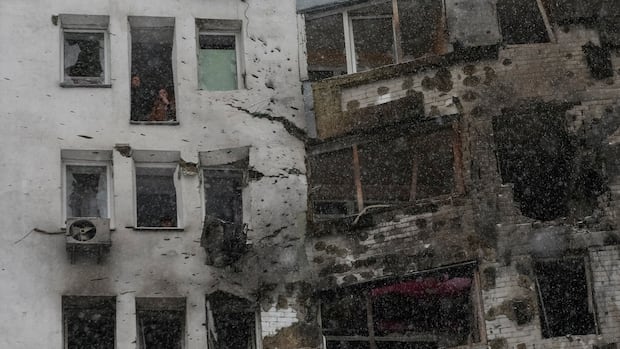
Kyiv’s water and heating systems have been restored following a brief shutdown due to severe cold in the Ukrainian capital on Saturday. Engineers worked urgently to stabilize the power grid, which was severely strained by a series of Russian strikes earlier in the week.
Stéphane Dujarric, spokesperson for the United Nations Secretary General, expressed concern over the attacks on Friday, stating that they led to significant civilian casualties and left millions of Ukrainians without essential services such as electricity, heating, and water during a critical humanitarian crisis.
Since Russia’s invasion on Feb. 24, 2022, there have been ongoing intense bombardments on Ukraine’s energy infrastructure, resulting in daily blackouts in major cities. The recent attacks have also heavily impacted the heat and water systems, raising alarm as temperatures continue to drop below freezing.
The city administration announced that the state grid operator Ukrenergo had instructed the shutdown of Kyiv’s power system on Saturday, affecting water, heating, and electrified public transport services. Fortunately, engineers swiftly addressed the issue caused by previous Russian strikes, and power was gradually being restored in parts of Kyiv.
Prime Minister Yulia Svyrydenko assured that the centralized heating system, which distributes hot water through pipelines to homes, was being reactivated, with full heat supply expected to be reinstated by the end of Saturday. However, challenges persist as the power grid remains severely damaged, exacerbated by increased use of electric heaters due to the cold weather.
In a retaliatory move, Ukraine launched a missile strike on Russia’s Belgorod region, resulting in 600,000 residents being left without essential services. Efforts are underway to restore supplies, but the situation is described as extremely difficult by the governor of the region.
Additionally, a Ukrainian drone strike ignited a fire at an oil depot in Russia’s Volgograd region, prompting concerns of potential evacuations. The strikes by Ukraine aim to disrupt Russia’s oil export revenue, while Russia’s strategy focuses on crippling Ukraine’s power grid to deprive civilians of basic necessities, including heat and water.
The recent escalation follows Russia’s extensive drone and missile attacks on Ukraine, resulting in casualties and heightened tensions with European allies. The use of hypersonic missiles near Ukraine’s border with Poland has further raised concerns of intimidation tactics by Russia.
Overall, the ongoing conflict continues to impact both Ukraine and Russia, with civilians bearing the brunt of the escalating hostilities and disruptions to critical infrastructure.