
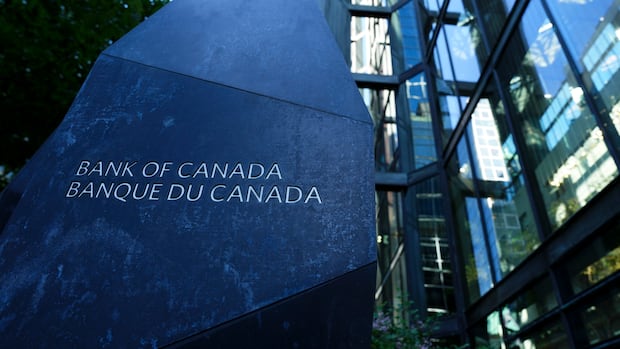
The Bank of Canada decided to maintain its key interest rate at 2.25 percent on Wednesday, anticipating a recovery in the economy following some challenges earlier in the year. Despite lingering risks from the Middle East conflict and ongoing U.S. trade negotiations, the central bank officials are increasingly optimistic about the economy overcoming these obstacles.
Bank of Canada governor Tiff Macklem stated that economic growth, which had stalled in the past year, appears to be back on track in Canada. The decision to keep rates unchanged was widely anticipated by economists, with all 36 surveyed by Reuters expecting the central bank to hold rates, with most predicting no adjustments until at least July of the following year. This marks the sixth consecutive time the bank has maintained interest rates.
Although Canada experienced economic setbacks in the first part of the year, the bank now sees “clear signs” of growth resuming in the second quarter. The bank’s initial forecast of 1.5 percent annualized growth in the first and second quarters was not met due to an economic contraction. However, the bank’s latest monetary policy report indicates that the negative effects are diminishing as consumer and government spending increase, with the bank projecting a 2.5 percent growth in the second quarter.
Increased exports are also expected to bolster business investment in the upcoming months. Despite inflation rising to 3.2 percent in May, driven by higher gas prices, the Bank of Canada believes the inflationary pressure from gas prices is unlikely to spill over to other goods. The bank foresees inflation remaining elevated in June before easing later in the year, aiming to reach the two percent target in early 2027.
Macklem emphasized the importance of developments in the Middle East, stating that prolonged high oil prices could lead to persistent inflation, warranting potential rate hikes. The bank is poised to act if necessary to prevent sustained inflation caused by rising oil prices.
The balancing act between rising inflation and sluggish growth has posed challenges for the bank, but if inflation subsides and growth accelerates as anticipated, the dilemma may resolve itself. While positive short-term data has brightened the economic outlook, uncertainties, particularly fluctuating oil prices, continue to influence the bank’s long-term outlook.
BMO’s chief economist Douglas Porter expects the Bank of Canada to maintain its current stance throughout the year, despite some positive indicators in the near term. Porter highlighted the uncertainty surrounding oil prices as a significant factor influencing the bank’s decisions. Overall, the bank remains cautious, ready to adjust rates as needed while closely monitoring inflation and economic growth trends.