
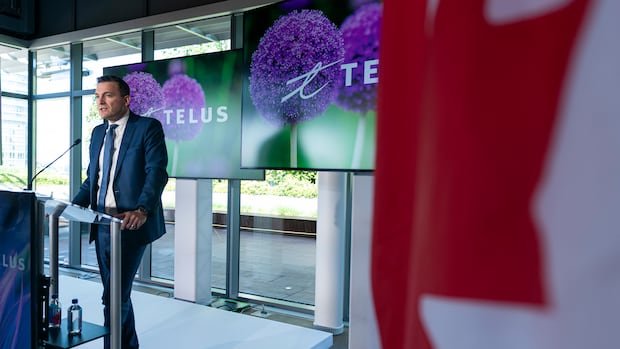
Vancouver and Kamloops are set to become key locations for a new cluster of data centers as part of a collaboration between the federal government and Telus. The initiative, announced by AI Minister Evan Solomon in Vancouver, aims to enhance Canada’s “sovereign compute capacity” and bolster local competitiveness in the global AI sector. Telus will expand its existing Kamloops facility and establish two new data centers in Vancouver under Ottawa’s Enabling Large-Scale Sovereign AI Data Centers program.
The expansion project, endorsed by Solomon, is designed to ensure Canadian innovators, researchers, and businesses have access to essential computing resources while safeguarding Canadian data, intellectual property, and economic interests within the country. Telus plans to launch the Kamloops project and the first Vancouver data center, situated at the former Hootsuite headquarters in Mount Pleasant, later this year, with a second facility at 150 West Georgia Street scheduled for 2029. The project will commence with an 85-megawatt power consumption, gradually scaling up to 150 megawatts by 2032.
Telus’ President and CEO, Darren Entwistle, emphasized the environmentally friendly aspect of the project, highlighting that the data centers will operate on 98% clean hydro power and utilize waste energy to heat around 150,000 homes. Additionally, the facilities are expected to consume 90% less water than conventional data centers, with plans in place to incorporate recycled water from B.C. Place stadium. Entwistle expressed confidence that Canada would lead the AI revolution with robust technological capabilities and a strong focus on climate sustainability.
The B.C. government has extended its support for the project, having introduced its own AI data center power policy earlier this year. This policy mandates companies to compete for a limited electricity allocation of 400 megawatts over the next two years, giving preference to projects that promote data sovereignty, environmental benefits, and First Nations involvement. The collaborative effort has garnered praise from various political figures, including Jobs and Economic Growth Minister Ravi Kahlon and Vancouver Mayor Ken Sim, who lauded the data centers as top-tier facilities.
Despite the positive reception, plans for a new data center in Nanaimo have faced opposition from locals concerned about excessive water usage. B.C. Green Party Leader Emily Lowan criticized the approach as a “build-first regulate-later model” and called for a temporary halt on new data center projects until more stringent regulations and environmental policies are established. The debate surrounding data center development has sparked community discussions on balancing technological advancement with environmental sustainability, echoing similar concerns in other regions grappling with the environmental impact of expanding tech infrastructure.