
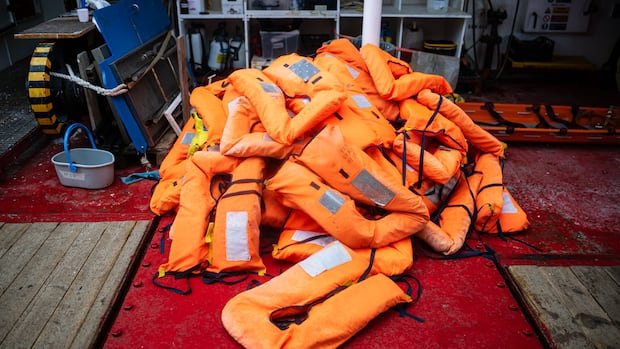
At least 53 individuals, including two infants, have lost their lives or gone missing following the sinking of an inflatable migrant vessel off the coast of Libya, according to the United Nations migration agency. The tragic incident occurred on the perilous route to Europe that many migrants take in search of a better future.
The International Organization for Migration (IOM) reported that the boat, carrying 55 African migrants, set off from Zawiya in western Libya late Thursday and started to take on water six hours into the journey. By Friday morning, it had capsized north of Zuwara. Two Nigerian women were rescued by Libyan authorities, with one woman mourning the loss of her husband and the other grieving for her two infants.
The IOM highlighted the exploitation of migrants by trafficking and smuggling networks operating along the central Mediterranean route. These networks profit by using unsafe vessels to transport migrants from Libya, a country in turmoil, to European shores.
According to the IOM’s missing migrants project, the number of reported migrant deaths or disappearances on the central Mediterranean route in 2026 has reached 484, exacerbated by the challenges posed by Cyclone Harry earlier in the year. Last year, over 1,300 migrants were reported dead or missing on this route.
Despite the chaos in Libya following the ousting of Moammar Gadhafi in 2011, the country has become a primary transit point for individuals escaping conflict and poverty in Africa and the Middle East. Human traffickers take advantage of the instability, smuggling migrants across Libya’s extensive borders shared with six other nations. Migrants are often coerced to embark on treacherous journeys on overcrowded and inadequately equipped vessels, including rubber boats.
Those intercepted and sent back to Libya face dire conditions in government-run detention centers, where they endure various forms of abuse, such as forced labor, physical violence, sexual assault, and torture. UN-commissioned investigators have labeled these practices as crimes against humanity. Extortion of money from families of detained migrants is common before the migrants are permitted to depart Libya on traffickers’ boats.