
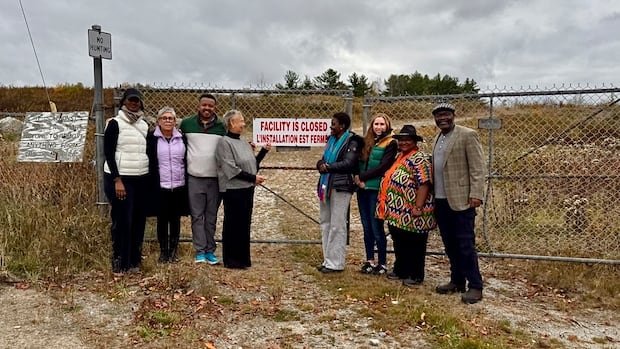
Amnesty International, a global organization known for its involvement in human rights issues in developing nations, has shifted its focus to a small community in southwest Nova Scotia. The organization is supporting the efforts of a group of African Nova Scotians who are fighting to access clean water in their settlement, located near an old landfill in Shelburne that operated for seven decades.
Concerns have been raised that the landfill may have contaminated the well water used by approximately 50 Black residents living nearby, leading to elevated cancer rates in the community. Amnesty International’s Canadian representatives visited the area in late October to listen to residents’ accounts of both historical and ongoing challenges they face.
David Matsinhe, Amnesty’s Director of Research, Policy, and Advocacy, expressed shock at the conditions in Shelburne, emphasizing the importance of upholding fundamental human rights such as access to clean water and secure land tenure. Following their visit, Amnesty sent a letter to the Shelburne town council and mayor in solidarity with the residents, urging immediate action to address the long-standing environmental and racial injustices prevalent in the area.
The town is currently in the initial stages of a project to decommission the landfill site, including conducting groundwater tests to assess potential contamination. Studies by McMaster and Dalhousie universities are also underway to investigate any health impacts on residents attributed to the landfill.
Community advocate Louise Delisle, founder of the South End Environmental Injustice Society (SEED), welcomed Amnesty’s involvement in the fight for environmental justice. Delisle stressed the need for reparations to address the harms caused by environmental racism, including property devaluation in the affected area.
Efforts to establish a community well for the residents have been ongoing, with support from actor Elliot Page and discussions about converting a drilled well on the NSCC campus into a shared water source. Despite challenges, Delisle remains optimistic that progress will be made towards providing clean water to the community and rectifying the environmental injustices they have endured.
The Nova Scotia government has stated its willingness to support the community well project financially, indicating a potential resolution to the longstanding water access issues faced by the residents.