
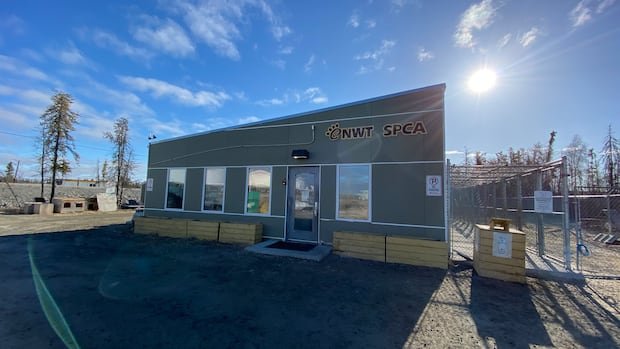
The N.W.T. SPCA urges the territorial government to recognize domestic animals as sentient beings rather than mere property, as outlined in the current Dog Act. Under this legislation, dogs are treated as belongings of their owners, with provisions allowing for the transfer of ownership in certain situations. The SPCA has received ongoing feedback from both tourists and residents regarding animal welfare concerns in the Northwest Territories, highlighting the need for more flexible intervention protocols.
Executive director Nicole Spencer of the N.W.T. SPCA emphasizes that existing laws, while establishing basic care standards like food, water, and shelter, may fall short in addressing complex animal welfare issues. Animal welfare lawyer Jennifer Friedman notes that pets being considered property is a common practice in Canada, including in Ontario. However, some provinces, such as British Columbia in 2024, are moving towards expanding legal considerations for pets in family disputes.
The Department of Municipal and Community Affairs, responsible for overseeing the Dog Act, currently has no immediate plans to revise the legislation. Minister Vince McKay stresses that the act serves as a foundational resource for municipalities to manage animal-related matters. While acknowledging the need for potential updates to the Dog Act after more than a decade, McKay emphasizes the importance of balancing legislative priorities and community-specific needs to ensure comprehensive animal protection measures.