
Saskatchewan women aged 43 and above are now eligible to register for mammogram screenings without the need for a physician’s referral. This change is part of a gradual process aiming to lower the eligibility age to 40 by June.
Following the province’s announcement in early January, social media platforms were abuzz with discussions about the reduced age requirement. However, a significant portion of the comments contained inaccurate information regarding the safety of mammograms. Advocates and doctors advocating for the age drop to 40 were taken aback by the extent of misinformation circulating online.
Jennie Dale, the founder of Dense Breasts Canada, expressed her shock at the misinformation spread on social media platforms. She highlighted a Facebook post that garnered over 400 comments, with many containing false claims about mammograms, including concerns about radiation exposure, pain levels, and anxiety-inducing false positive results.
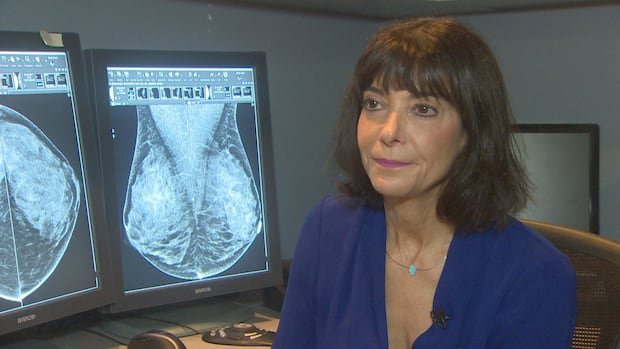
Dr. Paula Gordon, a clinical professor at the University of British Columbia and a breast radiologist, emphasized the importance of dispelling these misconceptions. She clarified that the radiation exposure from mammograms after the age of 40 is minimal and comparable to everyday environmental radiation levels.
Lisa Vick, a breast cancer survivor and advocate, shared her initial concerns about radiation exposure through mammograms before her diagnosis. She stressed the need for early screening, regretting not being screened earlier to learn about her breast density and associated risks.
The Saskatchewan Cancer Agency reported completing fewer than 1,000 mammogram appointments for clients under 50 since January 2025. Dense Breasts Canada highlighted the low uptake of mammogram screenings among women under 50 across Canada, calling for increased awareness and education to address misinformation.
Gordon clarified the concept of false alarms in mammogram results and emphasized the life-saving potential of early cancer detection through screening. She debunked misconceptions about overdiagnosis and stressed the importance of regular screening for early intervention.
Advocates and experts urged the provincial government to combat misinformation through targeted messaging and educational campaigns. They called for direct communication to women about the benefits of early mammogram screenings and the importance of debunking myths circulating on social media platforms.