
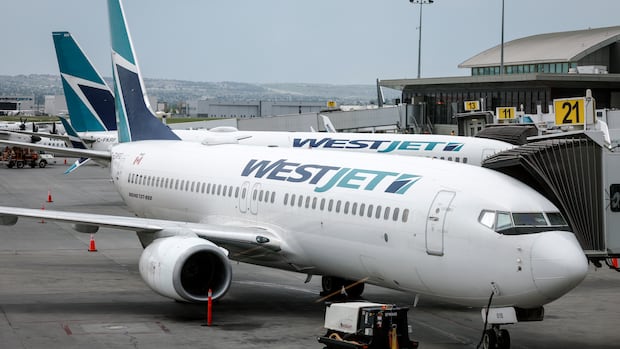
In response to a widespread negative reaction triggered by a viral video, WestJet has decided to scrap a recently introduced seating arrangement that added an extra row on many of its aircraft, reducing legroom for passengers. The airline, as the second-largest in the country, made a significant reversal by announcing that it would revert to a more spacious layout following strong criticism from both customers and staff.
WestJet’s CEO, Alexis von Hoensbroech, revealed that the decision came after observing a decline in customer loyalty and satisfaction metrics due to the backlash. The reconfiguration process is expected to be completed by the end of this year. The controversial seating setup, already implemented on nearly two dozen Boeing 737s, featured non-reclining seats with limited legroom, causing discomfort for passengers.
The initial plan included expanding this layout to 20 additional aircraft, totaling 43 planes or over a quarter of the fleet. However, the negative attention intensified after a TikTok video highlighting the cramped conditions garnered over 1.1 million views. Concerns were raised by both passengers and staff regarding safety implications during emergencies and the overall customer experience.
Acknowledging the feedback received, WestJet aims to transition all 180-seat jets to a 174-seat configuration upon regulatory approval, albeit potentially leading to a slight fare increase due to the reduced number of seats. This move underscores the impact of customer opinions and marks a departure from the previous unpopular decision.
Despite the airline’s efforts to address the situation, winning back disenchanted customers might pose challenges. The need to restore its tarnished reputation and regain trust remains crucial for WestJet. The union representing the flight attendants also welcomed the reversal, hoping for improved communication with management moving forward.
The revised seating plan will mainly offer 30-inch economy seats, aiming to enhance passenger comfort. However, this reconfiguration comes with its own set of challenges, requiring adjustments beyond just reinstating the seats. The removal of the cramped layout also means sacrificing the additional revenue generated by “extended comfort” and premium seats.
WestJet’s decision to backtrack on the tight seating layout reflects a significant step towards aligning with customer preferences and addressing concerns raised by passengers and staff.