
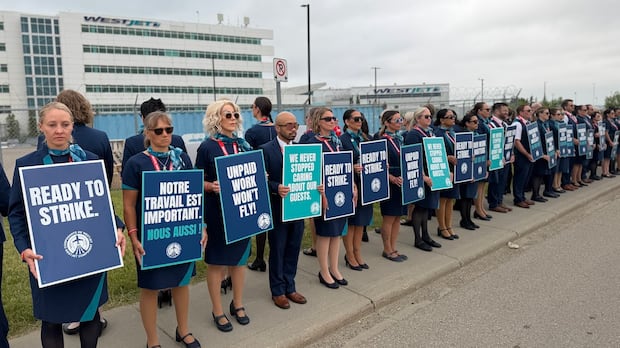
Thousands of Canadian travelers are on edge as WestJet flight attendants have overwhelmingly voted in favor of a strike for the upcoming August long weekend. The vote results, with 99.4% in support of a strike, were confirmed on Wednesday morning, setting the stage for about 4,400 union members represented by CUPE Local 8125 to potentially walk off the job on August 2. This move could effectively halt operations for WestJet, the country’s second-largest airline, just before a statutory holiday in several provinces.
The possibility of a strike looms as negotiations between WestJet and its unionized flight attendants continue. The previous contract between the Canadian Union of Public Employees and the airline ended last year, and talks for a new agreement have been ongoing since late 2025. WestJet’s CEO, Alexis von Hoensbroech, acknowledged that the current contract needs significant improvement due to falling behind inflation during the pandemic.
Flight attendants, represented by CUPE 8125, are advocating for better compensation, pointing out disparities in pay compared to other airlines. They argue that the current payment system, based on “credit hours,” does not adequately account for all hours worked, including unpaid duties such as assisting passengers during boarding and delays. The union contends that this outdated system leads to flight attendants being paid less than the federal minimum wage in certain situations.
In response, WestJet defends its pay model as standard in North America, emphasizing that flight attendants are compensated for all hours worked. The airline maintains that the “credit hour” wage is adjusted according to flight duration to cover additional responsibilities during flights. However, both sides are at odds regarding the fairness and adequacy of the current compensation structure.
As negotiations continue, both WestJet and the union express a willingness to reach a resolution that is sustainable and mutually beneficial. Despite the strike vote, efforts to secure a new agreement persist, with hopes of avoiding disruptions to passenger services. While challenges remain in reaching a consensus on various issues, both parties remain committed to finding common ground and finalizing a new collective agreement.