
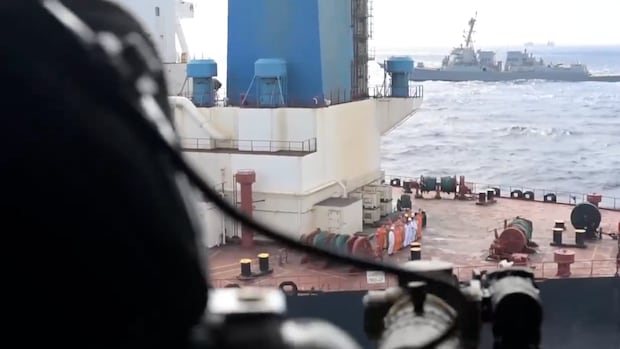
Belgian special forces were captured on dramatic social media footage boarding an oil tanker suspected of ties to Russia in early March, marking a significant shift in the West’s approach to the global shadow fleet, according to a CBC analysis. The analysis, conducted by CBC’s visual investigations team using marine traffic data, expert insights, news reports, and releases, revealed that since December 2025, U.S., Indian, and European Union authorities have seized, detained, or boarded at least 14 shadow fleet vessels – ships that operate under false flags to evade sanctions.
David Tannenbaum, the director of Blackstone Compliance Services, highlighted the unprecedented nature of these events, stating that the 14 cases within three months are exceptional. He emphasized the dangers posed by these vessels carrying cargo that supports aggressive warfare, terrorism, or nuclear proliferation, and called attention to the human rights abuses perpetrated by the individuals behind these illicit networks.
The majority of recent seizures were linked to the U.S.’s Caribbean blockade, which commenced before the capture of Venezuelan President Nicolás Maduro in early January. European actions to seize shadow fleet ships intensified following the U.S.’s detention of Venezuelan tankers. Meanwhile, Indian authorities seized three suspected Iranian tankers, and European authorities intercepted three suspected Russian tankers.
Despite the heightened enforcement measures, the shadow fleet remains active, with TankerTrackers reporting over a thousand such vessels. Russia reportedly leads this fleet, utilizing vessels to bypass international oil price regulations by flying flags of non-sanctioned countries. The recent crackdown on shadow fleet activities has been deemed long overdue, with Tannenbaum emphasizing the need for enhanced due diligence in transactions.
In response to the enforcement actions, Russia has reflagged vessels under official registration and deployed military escorts. Lloyd’s List data reveals that approximately half of the oil tankers and gas carriers passing through the critical Strait of Hormuz in early March were shadow fleet vessels, underscoring their significant presence in global oil shipments.
U.S. President Donald Trump recently issued a 30-day license allowing countries to purchase Russian oil stranded at sea to alleviate pressure on oil prices affected by ongoing conflicts. However, this move has drawn criticism from Ukrainian President Volodymyr Zelenskyy, who expressed concerns about the revenue boost potentially aiding Russia’s war efforts. The temporary waiver on sanctions was also discussed among G7 leaders, with Canada reaffirming its commitment to maintaining sanctions on Russia, including those related to the shadow fleet.