
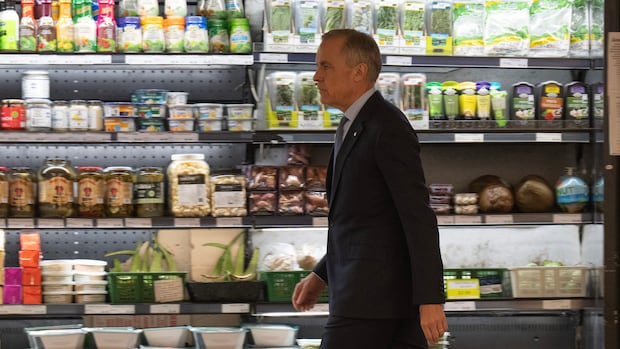
In the midst of a shifting global landscape, Prime Minister Mark Carney acknowledged the pressing need to address the high cost of groceries and daily essentials for many Canadians. Carney, speaking from a grocery store in Ottawa, outlined the government’s plan to provide immediate relief through the “Groceries and Essentials Benefit,” an enhanced version of the GST credit aimed at supporting low-income Canadians. This initiative is part of a broader strategy to enhance food security and affordability, including measures to bolster businesses impacted by trade disruptions and promote domestic production.
While the government’s proposal garnered support from the Conservatives, who criticized it as a rehash of existing policies, the underlying debate revolves around the root causes of escalating food prices. The Liberals attribute the surge to external factors such as global supply chain disruptions, climate-related events, and geopolitical tensions. Conversely, the Conservatives point to domestic policies like clean fuel regulations and carbon pricing as drivers of inflation.
As the discourse intensifies, experts advocate for measures to enhance domestic production, build climate resilience, and diversify supply chains to mitigate the impact of volatile food prices. A nuanced discussion on these strategies is crucial to effectively address the challenges posed by fluctuating food costs and ensure long-term food security in Canada.