
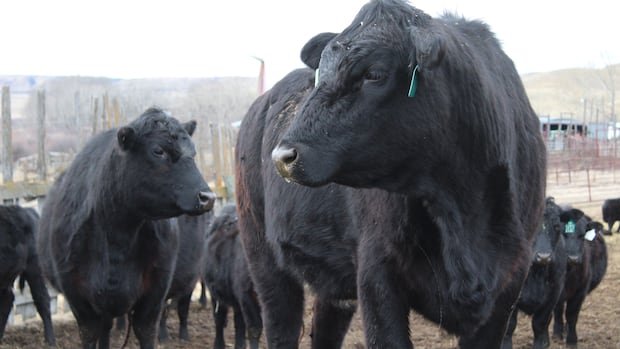
A new breakthrough from the University of Saskatchewan could lead to a shorter calving season for beef producers, reducing labor-intensive tasks. The hormone drug Cetrorelix, commonly used in human IVF treatments, has shown great promise for use in cattle reproduction. Dr. Jaswant Singh, along with graduate students Dylan Farmer and Carlos Leonardi, discovered the drug’s potential eight years ago.
After successful trials on 200 cows, Dr. Singh expressed excitement about the drug’s potential to synchronize ovulation in cattle, leading to a more efficient breeding process. This innovation could significantly reduce labor costs and improve animal management practices by ensuring calves are born closer together, resulting in higher weaning weights.
Garner Deobald, a beef rancher and marketing manager at BoviGen Genetic Services, sees the potential benefits of Cetrorelix for enhancing cattle breeding practices. If proven effective, the drug could revolutionize artificial insemination methods, providing valuable insights into genetic traits and calf expectations.
The University of Saskatchewan has applied for a patent for Cetrorelix and is collaborating with pharmaceutical companies to bring the drug to market. Dr. Singh is optimistic about the drug’s global impact, anticipating increased adoption of artificial insemination practices in the agricultural industry. With regulatory hurdles mostly cleared, the focus now shifts to optimizing the drug for animal use.