
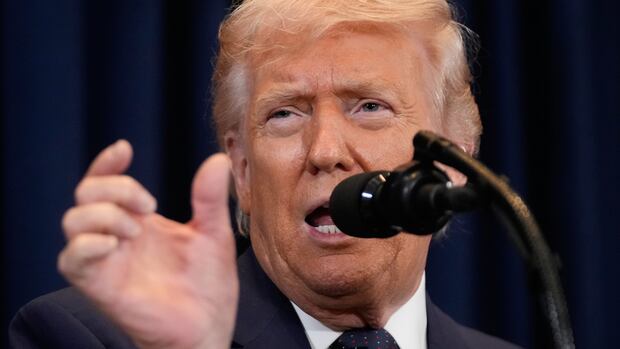
U.S. President Donald Trump seeks to minimize the impact of the Iran conflict on the national economy as American motorists are already feeling the effects at gas stations. Speaking at a Florida news briefing, Trump indirectly acknowledged the surging global crude oil prices and the resulting rise in U.S. fuel costs, attributing them to the short-term consequences of the U.S.-Israeli military actions against Iran. He expressed optimism that eliminating the threat posed by Iran would enhance oil supply security, leading to lower energy prices for American households in the long term.
The current focus on the cost of living in U.S. politics is underscored by Trump’s assurance that the ongoing war will eventually drive down energy prices, recognizing the potential impact of sustained price hikes on public sentiment. Polling expert Dan Cassino emphasized the significance of gas prices as a tangible indicator of escalating living expenses for American drivers.
Gas prices in the U.S. surged to an average of $3.48 per gallon on Monday, marking a notable 48-cent increase from the previous week, as reported by AAA. This spike is more pronounced than the largest weekly jump observed during Russia’s conflict with Ukraine earlier this year.
The political repercussions for Trump and the Republican Party will hinge on the duration of elevated prices and the broader economic implications throughout the year, especially with midterm elections approaching. If prolonged, the economic fallout could extend beyond gas prices, affecting various sectors like transportation, travel, and food prices globally.
As the Iran conflict unfolds, concerns mount over the economic impact and potential voter backlash. Rising energy prices could strain household budgets and present challenges for Republicans in delivering a coherent affordability message during the election year. Trump’s administration aims to reassure the public that the price surge resulting from the war is expected to be short-lived.
Despite efforts to downplay the economic consequences, Trump faces a delicate balancing act as the war continues to influence consumer wallets. The President’s stance on the gas price surge, coupled with his optimism for a swift resolution, reflects a high-stakes gamble with potential repercussions for his administration and the upcoming elections.