
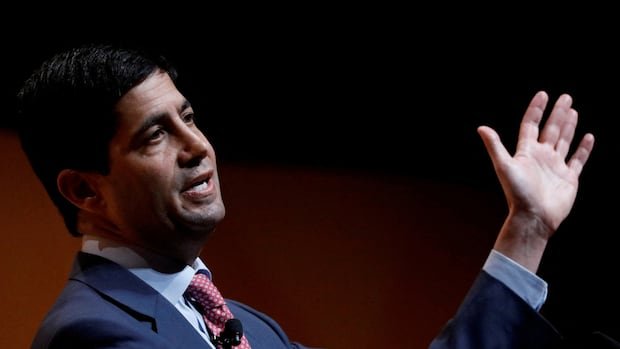
U.S. President Donald Trump announced on Friday his intention to nominate Kevin Warsh, a former Federal Reserve official, as the next chair of the Fed. This decision is expected to bring significant changes to the agency and potentially align it more closely with the White House. Warsh is set to succeed Jerome Powell when his term ends in May. While Trump initially selected Powell to lead the Fed in 2017, he has since criticized him for not implementing interest rate cuts swiftly enough.
In a post on his Truth Social platform, Trump praised Warsh, expressing confidence that he will be remembered as a great Fed Chairman. Warsh, 55, previously served as a member of the Fed’s board from 2006 to 2011, being the youngest governor in history when appointed at 35. Currently affiliated with the Hoover Institution and Stanford Graduate School of Business, Warsh’s nomination requires Senate confirmation.
Despite being known as a Fed hawk – advocating for higher interest rates to combat inflation – Warsh has recently voiced support for lower rates. Over the years, he has opposed some of the Fed’s low-interest rate policies post the 2008 financial crisis and raised concerns about potential inflation spikes, which did not materialize.
Warsh secured the nomination over other contenders, including Kevin Hassett, Rick Rieder, and Christopher Waller. The announcement elicited varied reactions, with Prime Minister Mark Carney hailing it as a fantastic choice. In contrast, Democratic Senator Elizabeth Warren criticized Warsh for prioritizing Wall Street interests over unemployed Americans.
Warsh’s potential appointment signifies a significant move by Trump to exert more influence over the Fed, an institution traditionally known for its independence. The Fed plays a crucial role in setting interest rates, thereby impacting borrowing costs across various sectors such as mortgages and car loans. If confirmed, Warsh faces the challenge of navigating a divided Fed committee on rate decisions amidst differing views on inflation and economic growth.
Prior to his Fed board tenure, Warsh served in the George W. Bush administration and worked as an investment banker at Morgan Stanley. He collaborated closely with then-Chair Ben Bernanke during the 2008 financial crisis. Despite his prior reservations about interest rate cuts, Warsh has evolved into a vocal critic of the Fed’s recent initiatives on issues like climate change and diversity, advocating for a change in approach.