
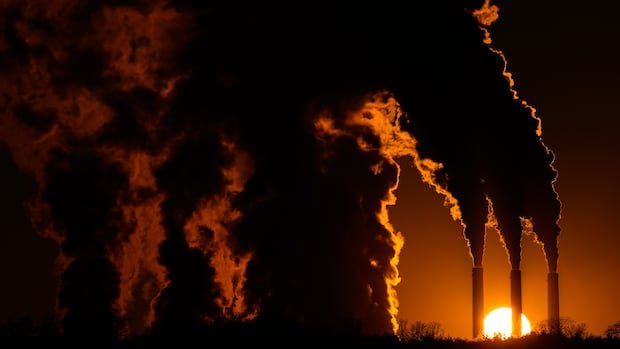
The Trump administration has revoked a key legal ruling that has guided emissions regulations in the United States since the Obama administration, withdrawing the endangerment finding of the Environmental Protection Agency (EPA).
The endangerment finding has served as the legal and scientific foundation for American climate policies since 2009 when the EPA responded to a Supreme Court decision on the harmful effects of greenhouse gases. It has been instrumental in shaping how the EPA and other U.S. agencies oversee greenhouse gas emissions across various sectors, including industrial plants and vehicles. Without this ruling, existing regulations could potentially be eliminated entirely.
During the announcement of the repeal, U.S. President Donald Trump criticized the rule as the basis for what he called the ‘green new scam,’ highlighting adverse impacts on the fossil fuel industry due to the endangerment finding. EPA Administrator Lee Zeldin touted the repeal as a significant deregulatory move in U.S. history.
Environmental organizations and others have strongly condemned the decision and expressed intent to challenge it legally, with California’s governor vowing to combat the repeal in court. Governor Gavin Newsom emphasized the potential increase in environmental hazards such as wildfires, extreme heat deaths, floods, and droughts nationwide.
The Trump administration’s decision aligns with its focus on supporting the fossil fuel sector to enhance oil and gas exports and lower energy costs for consumers. President Trump’s directive to review the endangerment finding aimed at eliminating what he referred to as biased energy regulations, particularly affecting fossil fuels.
Critics view this action as part of a broader strategy by Trump-aligned officials to dismantle climate-related regulations over a prolonged period. The endangerment finding had limited the administration’s ability to fully rescind emissions rules, leading to incremental changes in regulations for power plants and vehicle emissions.
The rescinded endangerment finding represents a setback for U.S. climate policies, indicating a shift away from acknowledging the public health risks associated with greenhouse gas emissions, according to environmental advocates.
The revocation could have immediate repercussions on U.S. power plants, primarily reliant on coal in 2009, by potentially reducing coal usage in favor of cleaner gas plants and renewable energy sources. Methane regulations and vehicle emission standards may also be affected, impacting efforts to combat climate change and promote cleaner technologies.
Environmental groups, including the Natural Resources Defense Council, plan to challenge the repeal legally to prevent what they consider a detrimental move. The outcome of any legal battle may face heightened scrutiny, given the current composition of the Supreme Court with more conservative justices compared to the 2007 ruling on greenhouse gas harms.
The decision could lead to divergence between U.S. and Canadian vehicle standards, historically aligned, as Canada recently announced new vehicle emissions standards separate from the U.S. direction. Canadian experts emphasize the importance of maintaining momentum in emissions reduction efforts despite setbacks in the U.S., urging vigilance in the global fight against climate change.