
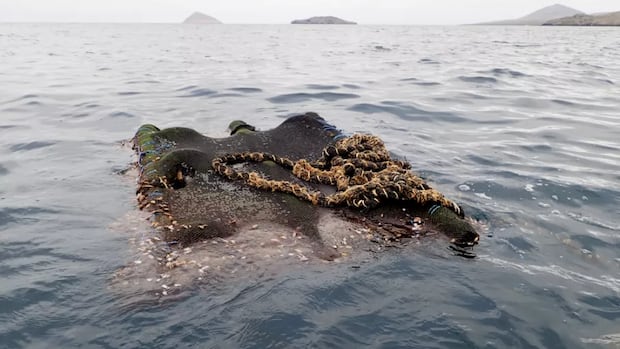
A recent study reveals that fish aggregating devices (FADs) used in tuna fishing are causing harm to coral reefs and wildlife, even within marine protected areas. These drifting rafts, which attract small tropical tuna like skipjack, have entered around half of the world’s marine protected areas, despite fishing bans in those zones.
Typically the size of a boardroom table, FADs are made of wood or bamboo with plastic components. Originally, mesh nets were used underneath them to lure fish, but due to wildlife entanglement concerns, netting was globally banned in 2025 and replaced with ropes.
FADs attract small fish seeking shelter, leading to the aggregation of predators like tuna for easier catching by fishing boats equipped with fish detectors. However, approximately 90% of the 100,000 FADs released annually end up lost, posing environmental hazards as they drift and potentially strand in protected areas, damaging coral reefs and endangering marine life.
Efforts are underway to address the negative impacts of FADs, including the development of biodegradable alternatives like the “jelly FAD” made of bamboo and cotton. Sustainable certifications, such as the Marine Stewardship Council, incentivize fishing companies to adopt eco-friendly practices, like reducing netting and using biodegradable materials.
Recommendations for reducing FAD impact include limiting deployment numbers, avoiding release in high-risk areas, and promoting old FAD retrieval. Research plays a crucial role in guiding mitigation strategies, ensuring fisheries align with updated environmental standards to maintain certification.
Public awareness and industry responsiveness have historically driven positive change in addressing environmental concerns. Increased awareness about the impacts of FAD fishing can lead to improved practices and sustainability in the tuna industry.