
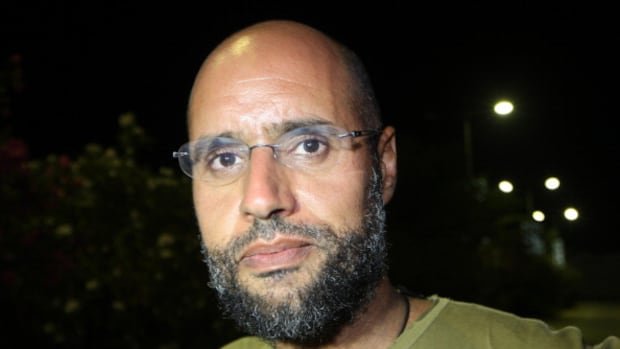
Libyan officials announced on Tuesday that Seif al-Islam Gadhafi, the son and once potential successor of the late dictator Moammar Gadhafi, was killed in Zintan, a town located 136 kilometers southwest of Tripoli, the capital of Libya. According to the Libyan chief prosecutor’s office, the 53-year-old was shot to death, with initial investigations revealing little about the circumstances surrounding his demise.
Seif al-Islam’s lawyer, Khaled al-Zaidi, confirmed the death on social media without specifying further details. Abdullah Othman Abdurrahim, who represented Gadhafi in the UN-brokered political dialogue aimed at resolving Libya’s prolonged conflict, also announced the death via Facebook.
In a statement released by Seif al-Islam’s political team, it was claimed that he was killed in his residence by “four masked men” in what was described as a “cowardly and treacherous assassination.” The statement alleged that Seif al-Islam engaged in a confrontation with the assailants, who disabled the CCTV cameras at his residence in an attempt to conceal evidence of their actions.
Born in June 1972 in Tripoli, Seif al-Islam was the second son of the former dictator and was recognized as the reform-minded figure within the Gadhafi regime. Following his capture in Zintan in late 2011 while trying to escape to Niger, Seif al-Islam was released by fighters in June 2017 after receiving amnesty from one of Libya’s rival governments. He had been residing in Zintan since then.
Seif al-Islam had been sentenced to death in absentia by a Libyan court in 2015 for inciting violence and participating in the killing of protesters. Additionally, he was a subject of an arrest warrant issued by the International Criminal Court for alleged crimes against humanity stemming from the 2011 uprising.
Despite being disqualified by Libya’s High National Elections Committee, Seif al-Islam declared his candidacy for the country’s presidential election in November 2021, triggering backlash from anti-Gadhafi factions in both western and eastern Libya. However, the election did not materialize due to ongoing disputes among rival administrations and armed groups that have governed Libya since the overthrow of Moammar Gadhafi, plunging the nation into chaos and division.